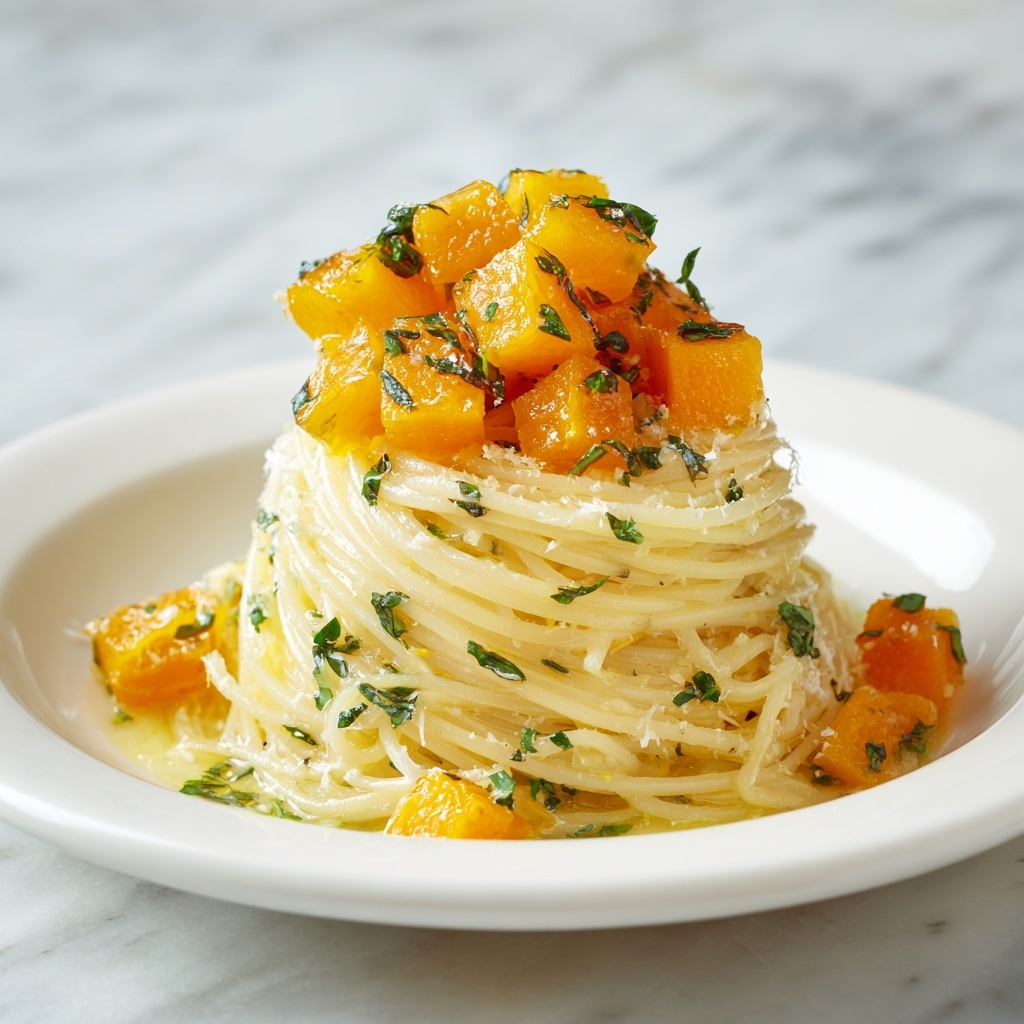
If you are craving a cozy, comforting dish that bursts with autumnal flavors, you have to try this Roasted Butternut Squash Sage Pasta Recipe. It’s a brilliant blend of tender roasted squash, fragrant crispy sage, and savory Parmesan cheese all tossed with perfectly cooked pasta. This dish is not only a feast for the taste buds but also incredibly satisfying with its velvety textures and earthy aroma. Whether you’re feeding a family or impressing friends, this recipe is guaranteed to become a beloved staple in your kitchen.
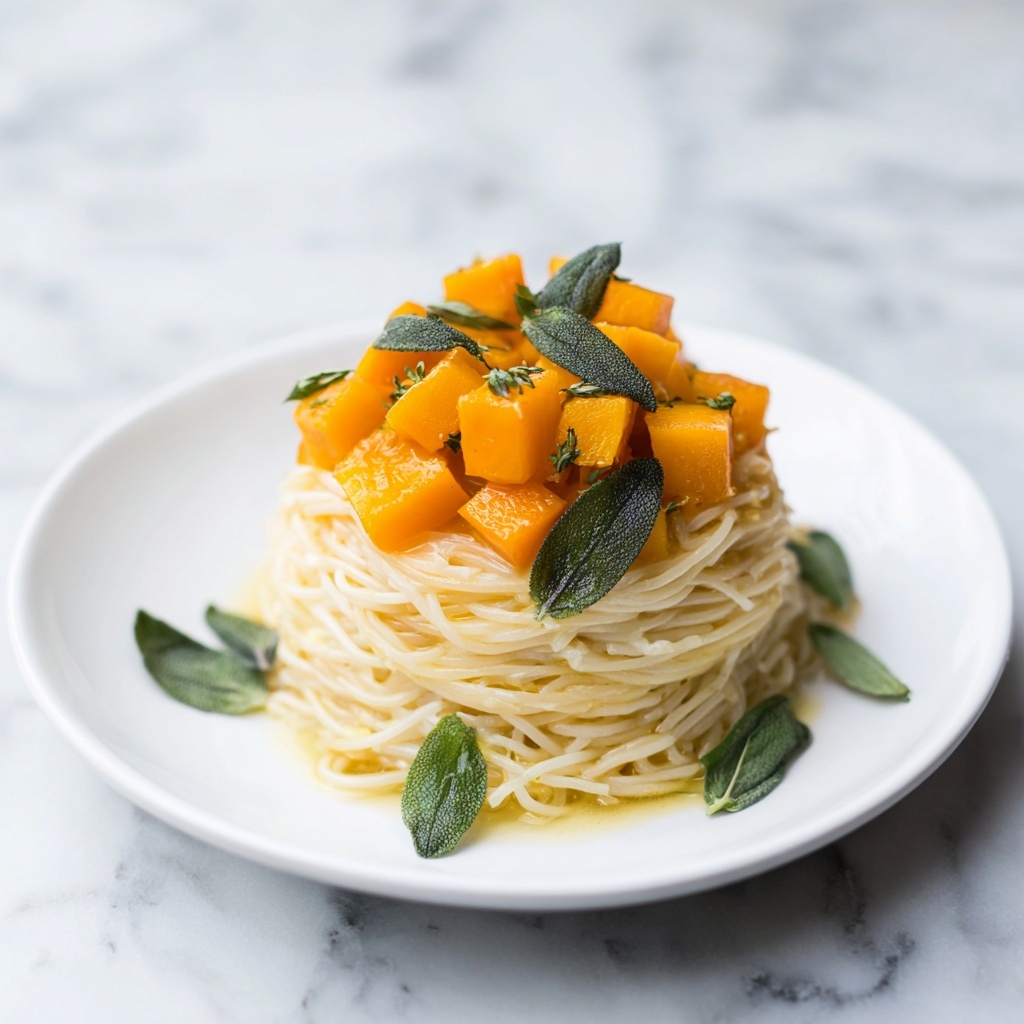
Ingredients You’ll Need
These simple yet thoughtfully chosen ingredients come together to create layers of flavor and delightful textures. Each one plays an essential role, delivering the right balance of sweetness, savoriness, and a touch of herbaceous brightness to the dish.
- 1 medium butternut squash (about 2 lbs), peeled and cubed: This forms the sweet, tender heart of the dish with its creamy flesh after roasting.
- 300 grams (10.5 oz) pasta of your choice: Choose your favorite shape to carry the sauce beautifully—rigatoni, penne, or fusilli work especially well.
- 10 fresh sage leaves: When fried crisp, they add an irresistible earthy aroma and a satisfying crunch.
- 3 cloves garlic, minced: Garlic brings a warm, robust undertone that elevates every bite.
- 4 tablespoons olive oil, divided: Used for roasting and sautéing to infuse richness and help develop caramelization.
- 50 grams (1/2 cup) grated Parmesan cheese, plus extra for serving: The salty, nutty Parmesan perfectly melts into the pasta for an indulgent finish.
- Salt, to taste: Essential for enhancing all the natural flavors in the dish.
- Black pepper, to taste: Adds a gentle kick and balances sweetness beautifully.
How to Make Roasted Butternut Squash Sage Pasta Recipe
Step 1: Prepare and Roast the Butternut Squash
Start by peeling the butternut squash, slicing it in half, and scooping out the seeds. Then carefully cube the squash into even pieces for uniform roasting. Toss the cubes in half of the olive oil with a generous pinch of salt and freshly ground black pepper. Spread them out on a baking sheet and roast at 400°F (200°C) for about 25 to 30 minutes, or until they are golden and tender. This roasting step deepens the squash’s natural sweetness and gives it a slight caramelized edge that makes this pasta so special.
Step 2: Cook the Pasta
While the squash roasts, bring a large pot of salted water to a boil and cook your chosen pasta according to the package instructions until al dente. Don’t forget to reserve about one cup of the pasta cooking water before draining. This starchy water is a secret weapon to help bring the sauce together and keep the pasta silky and moist.
Step 3: Sauté Garlic and Crisp the Sage
In a skillet, warm the remaining olive oil over medium heat. Add the minced garlic and cook until fragrant, about 1 minute. Next, add the fresh sage leaves and let them fry gently until they become crisp and deep green, releasing their earthy aroma. These crispy sage leaves add texture and a beautiful herbal note to the dish.
Step 4: Combine Pasta, Roasted Squash, and Sage Oil
In a large mixing bowl, combine the drained pasta, roasted butternut squash, and the garlic-sage infused olive oil. Gradually add reserved pasta water to loosen the mixture if needed, aiming for a glossy, saucy consistency. Stir in the grated Parmesan cheese generously, letting it melt into every strand and cube, enriching the pasta with a creamy, savory finish. Adjust salt and pepper to taste, and you’re ready to serve!
How to Serve Roasted Butternut Squash Sage Pasta Recipe
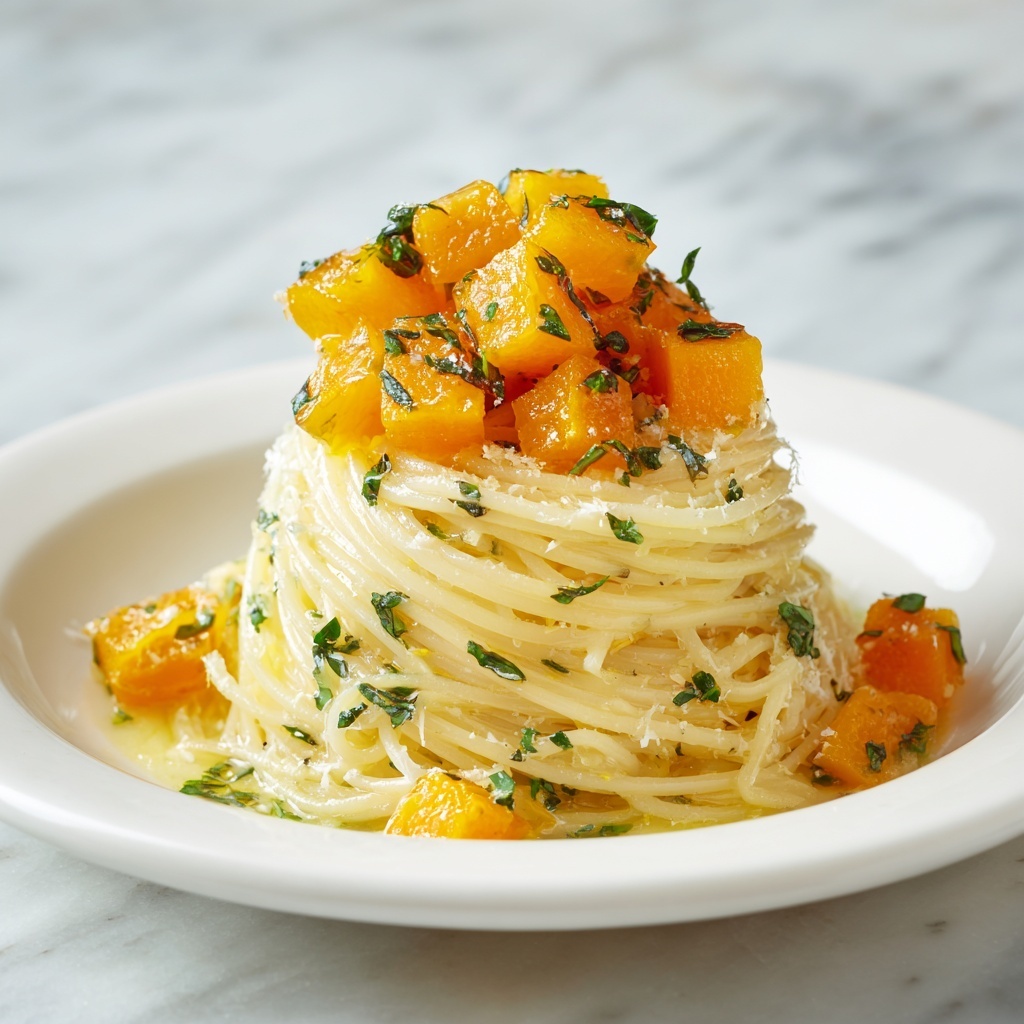
Garnishes
Enhance your pasta with a sprinkle of extra grated Parmesan and a few more crispy sage leaves on top for a stunning presentation and an extra hit of flavor. A quick drizzle of high-quality olive oil just before serving can also add a luscious finish, making every bite shine.
Side Dishes
This Roasted Butternut Squash Sage Pasta Recipe pairs beautifully with simple green salads dressed in lemon vinaigrette to balance the richness, or crusty garlic bread that’s perfect for scooping up any leftover cheese and squash bits. Light roasted vegetables or a plate of sautéed greens like spinach or kale are also fantastic companions.
Creative Ways to Present
For a fun twist, serve the pasta inside hollowed-out roasted butternut squash halves to impress your guests with a rustic, seasonal presentation. Alternatively, create individual portions in small ramekins and sprinkle a bit more Parmesan on top, then briefly broil for a golden crust. It’s perfect for dinner parties or cozy family meals.
Make Ahead and Storage
Storing Leftovers
Leftover pasta keeps well in an airtight container in the refrigerator for up to 3 days. The flavors actually deepen, so it’s a wonderful make-ahead meal for busy weekdays. Just be sure to cool the pasta completely before sealing.
Freezing
While fresh is best for this dish, you can freeze leftovers for up to a month. Use a freezer-safe container and separate portions for easier thawing. When you’re ready, thaw overnight in the refrigerator for best results.
Reheating
Reheat gently in a skillet over medium-low heat, adding a splash of water or broth to loosen the sauce if it thickens too much. Microwaving works too but try to avoid overcooking to keep the squash tender and the pasta perfectly textured.
FAQs
Can I use a different type of squash for this recipe?
Absolutely! Butternut squash is ideal because of its sweetness and texture, but you can experiment with kabocha or acorn squash for a slightly different flavor profile.
What type of pasta works best for Roasted Butternut Squash Sage Pasta Recipe?
Short tubes like penne, rigatoni, or fusilli are perfect because their shapes hold the sauce and squash pieces well, giving you a balanced bite every time.
Is it possible to make this dish vegan?
Yes! Simply omit the Parmesan cheese or substitute it with a vegan cheese alternative or nutritional yeast for a cheesy flavor without dairy.
Can I prepare any parts of this recipe in advance?
You can roast the squash a day ahead and store it in the refrigerator to save time. The pasta and sage oil should be made fresh for the best taste and texture.
How do I get crispy sage leaves without burning them?
Cook the sage leaves over medium heat with enough olive oil and keep a close eye on them, turning once. They crisp quickly and burn easily if the heat is too high.
Final Thoughts
This Roasted Butternut Squash Sage Pasta Recipe is a cozy, flavorful dish that’s sure to brighten up any mealtime. Its comforting textures and harmonious flavors make it a perfect choice all year round, especially when you want a satisfying meal that feels special but isn’t complicated. I hope you enjoy making and sharing this pasta as much as I do—once you try it, it might just become one of your go-to recipes for every season!
Print
Roasted Butternut Squash Sage Pasta Recipe
- Prep Time: 10 minutes
- Cook Time: 35 minutes
- Total Time: 45 minutes
- Yield: 4 servings
- Category: Main Course
- Method: Roasting
- Cuisine: Italian
- Diet: Vegetarian
Description
Roasted Butternut Squash Sage Pasta is a flavorful and comforting dish that perfectly combines the sweet, nutty taste of roasted butternut squash with the aromatic crispiness of sage leaves. This easy-to-make pasta is ideal for a wholesome weeknight dinner, featuring a creamy texture from Parmesan cheese and a hint of garlic, balanced with olive oil. It serves four and comes together in just 45 minutes.
Ingredients
Butternut Squash
- 1 medium butternut squash (about 2 lbs), peeled and cubed
Pasta
- 300 grams (10.5 oz) pasta of your choice
Sage Garlic Oil
- 10 fresh sage leaves
- 3 cloves garlic, minced
- 4 tablespoons olive oil, divided
Cheese and Seasoning
- 50 grams (1/2 cup) grated Parmesan cheese, plus extra for serving
- Salt, to taste
- Black pepper, to taste
Instructions
- Prepare the Butternut Squash: Peel the butternut squash, then cut it in half and remove the seeds. Cube the squash into roughly 1-inch pieces to ensure even roasting.
- Roast the Squash: Preheat your oven to 400°F (200°C). Toss the cubed butternut squash with half of the olive oil, salt, and black pepper. Spread the squash evenly on a baking sheet and roast for 25-30 minutes, or until the pieces are tender and caramelized on the edges.
- Cook the Pasta: Bring a large pot of salted water to a boil. Cook the pasta according to the package instructions until al dente. Before draining, reserve 1 cup of the pasta cooking water. Drain the pasta and set aside.
- Sauté Garlic and Sage: In a skillet, heat the remaining olive oil over medium heat. Add the minced garlic and cook for about 1 minute until fragrant but not browned. Add the fresh sage leaves and sauté until they become crispy, approximately 2-3 minutes. Remove from heat.
- Combine and Serve: In a large mixing bowl, combine the cooked pasta, roasted butternut squash, and the sage-garlic oil. Gradually add the reserved pasta water as needed to loosen the sauce and help everything coat the pasta evenly. Stir in the grated Parmesan cheese until melted and creamy. Adjust seasoning with salt and pepper if needed. Serve warm with extra Parmesan cheese on top.
Notes
- For a vegan version, substitute Parmesan cheese with nutritional yeast or a vegan cheese alternative.
- Use whole grain or gluten-free pasta if needed to accommodate dietary restrictions.
- If you prefer, you can roast the squash a day ahead and reheat it to save time.
- Adjust the amount of pasta water to reach your desired sauce consistency.
- Fresh sage can be substituted with dried sage, but the flavor will be less aromatic.