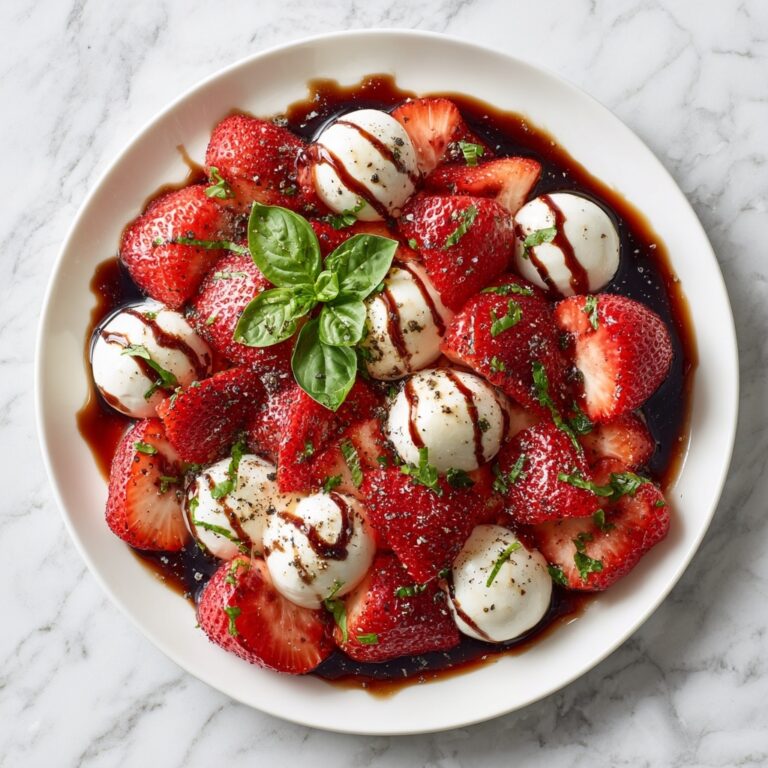
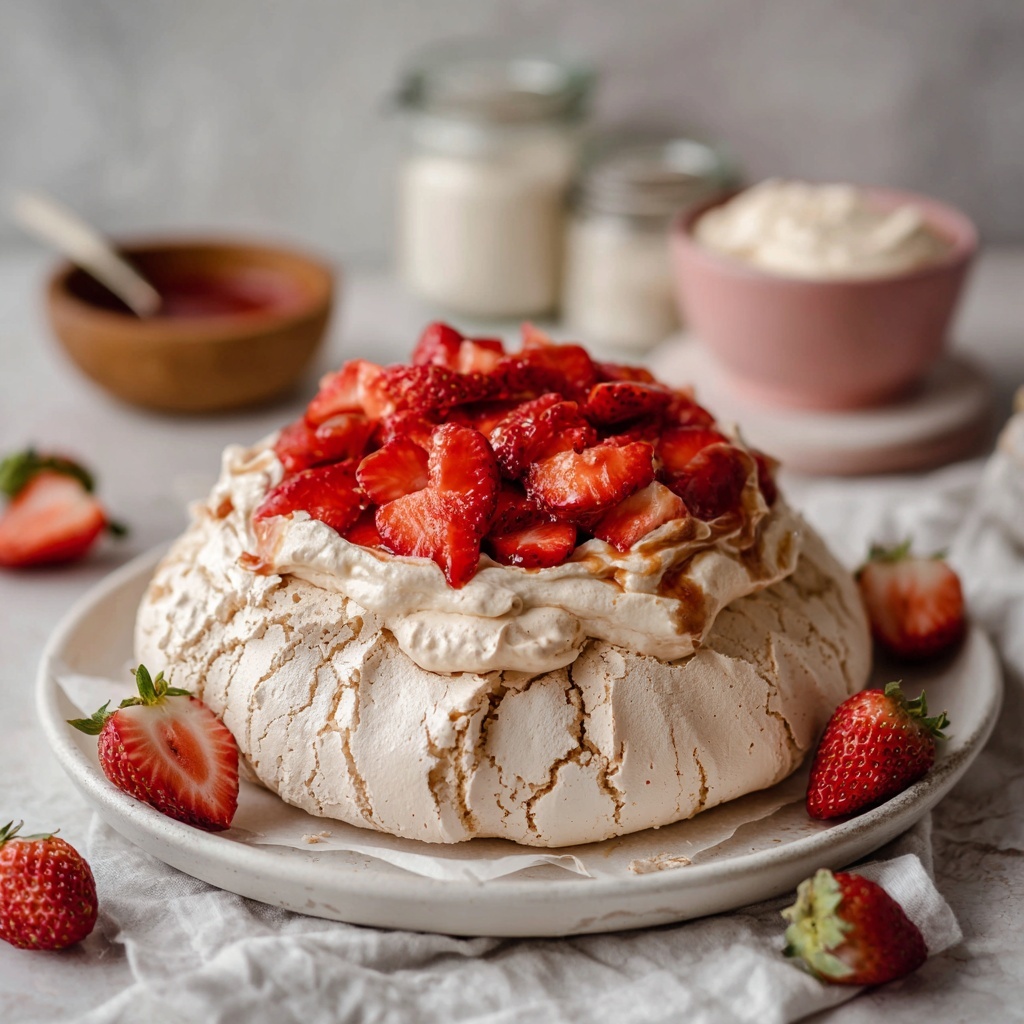
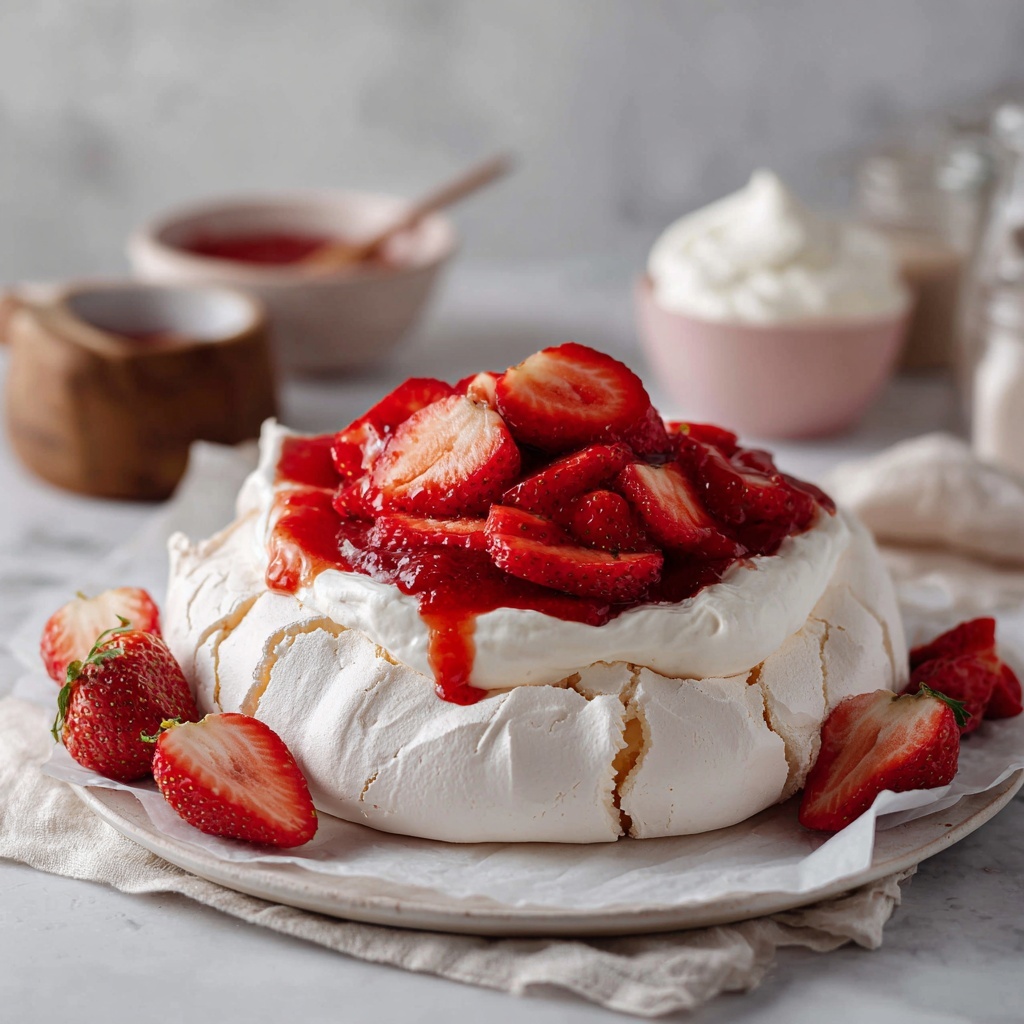
If you are searching for a show-stopping dessert that will wow your friends and family without using any animal products, look no further than this Vegan Pavlova with Strawberry Topping Recipe. This light, airy, and crispy pavlova offers all the magic of the classic meringue dessert but is completely plant-based, featuring a cloud-like aquafaba meringue base topped with luscious vegan whipped cream and sweet, fresh strawberries. It’s a delightful balance of textures and flavors that sings summer sweetness in every bite and is sure to become your go-to when you want something special yet surprisingly simple.
Ingredients You’ll Need
Getting this Vegan Pavlova with Strawberry Topping Recipe just right is all about using simple yet essential ingredients that each play a unique role in giving the pavlova its perfect texture, flavor, and stunning presentation. Every staple in this list can be found easily and packs a punch in the final result.
- Aquafaba: The star ingredient that whips into a meringue-like foam, giving the pavlova its airy structure without eggs.
- Cream of Tartare: A natural acid that helps stabilize aquafaba and supports volume retention while whisking.
- Xanthan Gum: Adds extra structure and elasticity to the meringue, preventing it from collapsing.
- Superfine (Caster) Sugar: Sweetens the pavlova and contributes to its characteristic glossy surface.
- Vanilla Extract: Brings subtle warmth and depth, enhancing every bite.
- Cornstarch (Cornflour): Creates a light crust and soft inner texture by absorbing moisture.
- Vegan Whipped Cream: Provides a velvety smooth topping that pairs beautifully with the crispy base.
- Fresh Strawberries: Adds vibrant color and juicy freshness, the perfect fruit topping for the pavlova.
- Strawberry Coulis (Optional): A drizzled sauce to intensify the strawberry flavor and add a touch of elegance.
How to Make Vegan Pavlova with Strawberry Topping Recipe
Step 1: Prepare the Aquafaba Reduction
Begin by gently boiling the aquafaba in a saucepan and reducing it by half to concentrate its protein content, which is essential for building a strong, stable meringue. This step takes patience but is key for that classic pavlova structure. Once reduced, cool it completely and chill in the fridge to set you up for success in the next step.
Step 2: Preheat and Prep Your Oven
Set your oven to 125°C (257°F), ensuring it reaches the correct temperature for baking the pavlova low and slow. Line your baking tray with parchment paper and dust it lightly with cornstarch, which acts like a non-stick helper to make lifting your perfect meringue a breeze later on.
Step 3: Whip the Aquafaba
Using a clean, grease-free bowl, combine the chilled aquafaba with cream of tartar and xanthan gum. Whip at high speed for about 10 minutes until soft peaks form, then gradually add the superfine sugar one tablespoon at a time, whisking well between each addition. Keep whisking until you achieve a thick, glossy meringue that holds its shape beautifully.
Step 4: Add Flavor and Texture Enhancers
Fold in the vanilla extract carefully, followed by the cornstarch. These ingredients enhance flavor and help the meringue develop that crisp crust with a marshmallow-soft center typical of an ideal pavlova.
Step 5: Shape and Bake Your Pavlova
Transfer the meringue onto your prepared tray, forming a round disc with raised edges to cradle the toppings. Creating a slight crater in the center is a clever move for holding all that creamy and fruity goodness. Bake it for 2 and a half hours without opening the oven door, then turn off the heat and let it cool gradually inside the oven for another hour or two to prevent cracking.
How to Serve Vegan Pavlova with Strawberry Topping Recipe
Garnishes
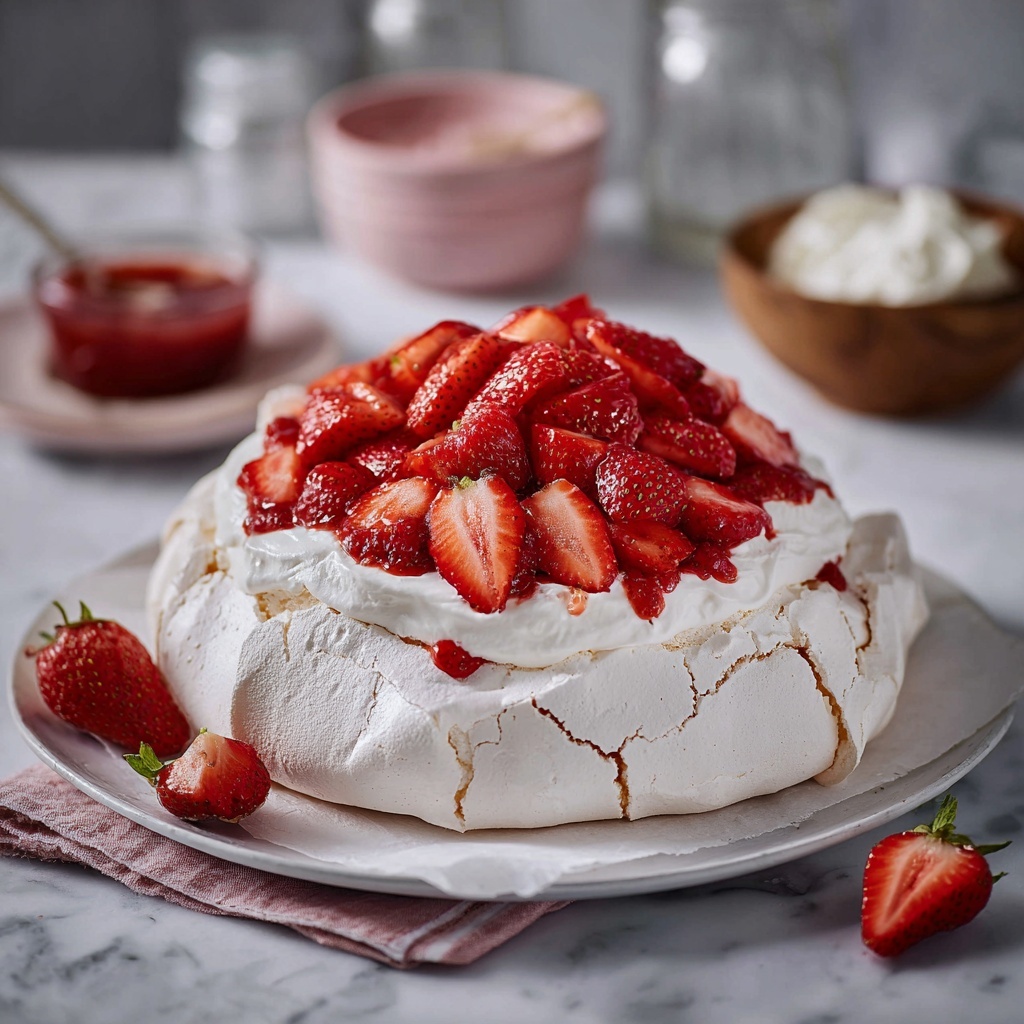
Once your pavlova base has cooled to room temperature, generously spread the vegan whipped cream over the top, adding chopped fresh strawberries for a burst of tangy sweetness. A drizzle of strawberry coulis crowns the dish with a luscious finish that brings a gourmet touch without much extra effort.
Side Dishes
This dessert stands beautifully on its own, but if you want to treat guests further, consider serving alongside a crisp green salad or a light vegan sorbet that complements the fruity flavors without overwhelming the palate. It’s the star of the show, so keep the sides subtle and refreshing.
Creative Ways to Present
For a fun twist, create mini pavlovas by piping smaller meringue nests on a tray. You can also mix in other berries or tropical fruits for variety, or try sprinkling some edible flowers or toasted coconut flakes on the cream to elevate the aesthetics and add an interesting texture contrast.
Make Ahead and Storage
Storing Leftovers
The Vegan Pavlova with Strawberry Topping Recipe is best enjoyed fresh, but you can store any uneaten pavlova base in an airtight container at room temperature for up to 2 days. Keep the whipped cream and fruit toppings separate in the fridge and assemble just before serving to retain the delightful crispness.
Freezing
Freezing pavlova is generally not recommended because the delicate meringue can lose its signature texture upon thawing, turning chewy or soggy. However, if necessary, freeze the unfilled base wrapped securely in parchment and foil for up to one month. Thaw fully at room temperature before topping.
Reheating
Since pavlova is a meringue-based dessert, reheating is not advised. Instead, let the pavlova come to room temperature if stored in a cool place, then top and serve immediately for the best experience.
FAQs
What is aquafaba, and why is it used in this recipe?
Aquafaba is the liquid from cooked chickpeas or other beans. It whips up into a foam similar to egg whites, making it perfect for creating vegan meringues like pavlova. Its properties allow those without eggs to enjoy a stunning, airy dessert.
Can I use other fruits besides strawberries for the topping?
Absolutely! Feel free to use raspberries, blueberries, kiwi, passion fruit, or any seasonal fruit you love. The pavlova is versatile and pairs beautifully with a variety of fresh fruits.
Why do I need to reduce the aquafaba before whipping?
Reducing the aquafaba concentrates the proteins and sugars, which are essential for creating a stable foam that holds its shape well during baking and forms the perfect crisp shell.
How long does it take to make the vegan pavlova?
The active prep time is around 30-40 minutes, but including the simmering, cooling, baking, and cooling down in the oven, it takes approximately 5 hours total—perfect for making ahead and letting the oven do most of the work.
Can I substitute xanthan gum with something else?
Xanthan gum helps stabilize the meringue, but you can try guar gum as a substitute. However, the texture and structure might slightly differ, so it’s best to follow the recipe as closely as possible for optimal results.
Final Thoughts
This Vegan Pavlova with Strawberry Topping Recipe is a delightful way to enjoy a classic dessert with a compassionate, plant-based twist. The crisp exterior and marshmallowy inside, layered with rich whipped cream and juicy strawberries, make this pavlova an absolute treat for any occasion. I encourage you to take the plunge, gather your ingredients, and create this beautiful, airy masterpiece that’s bound to brighten any table and impress your loved ones.
Print
Vegan Pavlova with Strawberry Topping Recipe
- Prep Time: 30 minutes active + 2 hours inactive (aquafaba chilling)
- Cook Time: 2 hours 30 minutes
- Total Time: 5 hours including cooling and chilling
- Yield: 8 servings
- Category: Dessert
- Method: Baking
- Cuisine: Vegan
- Diet: Vegan
Description
This Vegan Pavlova is a light and airy dessert made using aquafaba as a plant-based egg white substitute. Perfect for vegan diets, it features a crisp meringue shell with a soft, marshmallow-like interior, topped with fluffy vegan whipped cream and fresh strawberries. The pavlova is baked at a low temperature and cooled gradually to achieve the perfect texture. Ideal for summer gatherings or special occasions, it’s both dairy-free and egg-free yet deliciously satisfying.
Ingredients
Meringue
- 350 ml aquafaba (see notes)
- ¼ teaspoon cream of tartar
- ½ teaspoon xanthan gum
- 200 g superfine sugar (caster sugar)
- 1 teaspoon vanilla extract
- 1 tablespoon cornstarch (cornflour), plus extra for dusting
Toppings
- 1 batch vegan whipped cream
- 400 g fresh strawberries (or other berries or fruit)
- ½ batch strawberry coulis (optional)
Instructions
- Preparation of Aquafaba. Add the aquafaba to a saucepan and bring it to a boil. Then reduce the heat and let it simmer until it reduces to half its original volume. Check the volume after about 5 minutes; if it hasn’t reduced sufficiently, continue simmering carefully to avoid burning.
- Cooling Aquafaba. Remove from heat and allow the aquafaba to cool to room temperature. Pour it into a jar and refrigerate to chill thoroughly.
- Clean Equipment. Ensure all mixing bowls and utensils are clean and dry. Wipe them down with lemon juice or vinegar to remove any grease that may prevent the aquafaba from whipping properly.
- Preheat Oven and Prepare Baking Tray. Preheat your oven to 125°C (257°F). Line a baking sheet with parchment paper and dust it lightly with cornstarch to prevent sticking and help lift the pavlova after baking.
- Whisk Aquafaba Mixture. In a large clean bowl, combine chilled aquafaba, cream of tartar, and xanthan gum. Using an electric or stand mixer, whisk on high speed for 10 minutes until soft peaks form.
- Incorporate Sugar. Gradually add caster sugar, one tablespoon at a time, whisking for about 30 seconds after each addition. Once all sugar is added, continue whisking for an additional 10 minutes until the mixture is thick, glossy, and holds stiff peaks.
- Add Flavorings and Stabilizer. Whisk in vanilla extract for 1 minute. Then add cornstarch and whisk for another 30 seconds to combine evenly.
- Shape Pavlova. Using a spatula, spread the meringue on the prepared baking tray into a round disc shape, leaving at least an inch border around the edges to allow for expansion. Create a slight crater in the center by lifting the edges higher with a spoon or spatula to hold toppings.
- Bake the Meringue. Bake for 2½ hours at 125°C (257°F), making sure not to open the oven door during baking. After baking, turn off the oven and let the pavlova cool inside the oven for 1-2 hours to room temperature, which helps to set the texture.
- Prepare Toppings. While the pavlova cools, prepare vegan whipped cream and strawberry coulis if desired.
- Decorate and Serve. Just before serving, top the pavlova with vegan whipped cream and chopped strawberries. Drizzle with strawberry coulis if using. Slice and serve immediately as the meringue absorbs moisture and softens over time.
- Storage Advice. For best results, make the pavlova on the day before serving, allowing it to cool in the oven overnight if needed. Always decorate just prior to serving to maintain the crisp texture.
Notes
- Aquafaba is the liquid from canned chickpeas or the cooking liquid from dried chickpeas. Use the liquid from canned chickpeas for best results and consistency.
- Ensure all your bowls and utensils are completely clean and free from grease to help build firm peaks when whipping aquafaba.
- Do not open the oven during baking or cooling as this may cause the pavlova to crack or collapse.
- Use superfine sugar (caster sugar) because it dissolves more easily into the aquafaba, resulting in a smoother meringue.
- The pavlova is best decorated just before serving to avoid the meringue becoming soggy from moisture.
- Store any leftovers in an airtight container at room temperature for up to 2 days; avoid refrigeration to maintain texture.