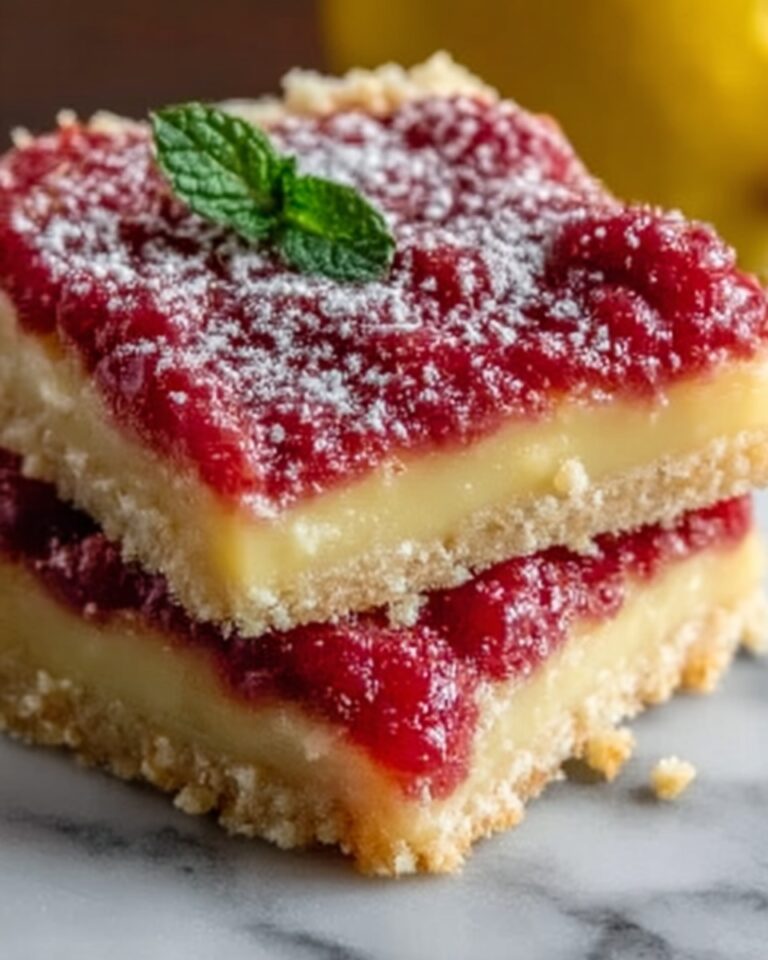

If you are looking for a charming, lightly sweet treat that feels like a warm hug from an Italian Nonna, you have to try the Italian Easter Cookies / Uncinetti Recipe. These delicate knot-shaped cookies are tender with a hint of lemon zest and finished with a luscious lemon glaze that brings a beautiful brightness. Perfect for celebrations or anytime you want a nostalgic, melt-in-your-mouth delight, this recipe invites you to bring a little slice of Italy straight to your kitchen.

Ingredients You’ll Need
The beauty of this Italian Easter Cookies / Uncinetti Recipe lies in its simplicity—the ingredients are humble staples, yet each plays a crucial role in building the cookie’s subtle flavors, tender texture, and sunny color. Grab these essentials and let’s create some magic!
- All purpose flour (1½ cups + 2 tablespoons): The foundation for tender yet sturdy cookies that hold their shape.
- Granulated sugar (3¼ tablespoons): Adds just the right touch of sweetness without overpowering the lemon.
- Baking powder (1 teaspoon): Lightens the dough so the cookies stay soft and airy.
- Salt (a pinch): Enhances all the flavors, balancing the sweetness and lemon.
- Lemon zest (zest of one lemon): Infuses a bright citrus aroma and flavor that is key to these cookies’ charm.
- Large egg (1): Binds the dough together, contributing moisture and richness.
- Butter, melted and cooled (¼ cup): Adds tender richness and a subtle silkiness to the crumb.
- Milk, preferably 2% (4 tablespoons): Keeps the dough moist and helps with the perfect kneadable texture.
- Powdered/icing sugar (1½–2 cups): For the luscious lemon glaze that gives the perfect finishing touch.
- Lemon juice (1 tablespoon, approximately): Brings bright tartness that balances the sweet glaze beautifully.
- Milk (1 tablespoon, approximately): Used to adjust the glaze consistency for drizzle or dip.
How to Make Italian Easter Cookies / Uncinetti Recipe
Step 1: Preheat and Prepare
First, set your oven to 300°F (150°C) and line a large cookie sheet with parchment paper. This low temperature will gently bake your cookies to a perfect pale golden finish without drying them out, letting those lemon flavors shine.
Step 2: Mix the Dry Ingredients
In a large bowl, whisk together the all purpose flour, granulated sugar, baking powder, salt, and fresh lemon zest. This mixture forms the aromatic powder base that will give your dough an irresistible citrusy note.
Step 3: Add the Wet Ingredients and Form the Dough
Create a well in the center of your dry ingredients and add the egg, melted butter, and milk. Use a fork to gently combine until the mixture is almost unified. Then transfer it to a flat surface and knead gently just until you get a smooth dough—it should feel soft but not sticky.
Step 4: Shape the Uncinetti Knots
Pinch off small pieces of dough and roll them into thin ropes about 5 to 6 inches (13–16 cm) long. The ropes should be delicate but long enough to tie into knots. If you prefer smaller twists, you can join smaller ropes into circles. Place each knot on the lined cookie sheet, spaced slightly apart to allow gentle expansion during baking.
Step 5: Bake the Cookies
Bake for 15 to 18 minutes until the knots turn lightly golden on the edges. This gentle baking stage is key for achieving that perfect crumb—soft, tender, yet just firm enough to hold their charming shape.
Step 6: Prepare the Lemon Glaze
While the cookies cool, mix the sifted powdered sugar, lemon juice, and milk in a small bowl. Stir well to reach your desired glaze consistency—thick enough to coat the back of a spoon but still pourable. Adjust with more sugar or milk if needed.
Step 7: Glaze and Serve
Once cooled, generously drizzle or dip your Italian Easter Cookies / Uncinetti in the lemon glaze. Let them dry for a few minutes until the glaze sets into a shiny, tangy finish that contrasts beautifully with the soft cookie base.
How to Serve Italian Easter Cookies / Uncinetti Recipe

Garnishes
For an extra festive touch, sprinkle finely chopped toasted almonds or a pinch of edible flower petals over the glaze before it sets. A tiny twist of lemon zest on top adds a fresh pop and heightens the citrus aroma.
Side Dishes
These cookies pair exceptionally well with a light espresso or a cup of herbal tea such as chamomile or lemon verbena. They also complement a delicate glass of sparkling Moscato for a celebratory occasion.
Creative Ways to Present
Arrange your Uncinetti knots on a pretty platter adorned with fresh lemon slices and sprigs of mint. For gift-giving, wrap them in parchment tied with a lemon-yellow ribbon or place them in a clear box with decorative lemon leaf confetti for a charming homemade present.
Make Ahead and Storage
Storing Leftovers
Keep your Italian Easter Cookies / Uncinetti fresh by storing them in an airtight container at room temperature. They will stay tender and flavorful for up to 3 days, making them perfect for prepping ahead for a party or casual treat.
Freezing
You can freeze the unglazed baked cookies by placing them on a baking sheet first to freeze individually, then transferring them to a sealable bag or container. Freeze for up to 1 month. When ready to enjoy, thaw at room temperature and then glaze for the freshest experience.
Reheating
If you prefer your cookies slightly warm, gently reheat them in a low oven (about 275°F / 135°C) for 5 minutes. Avoid microwaving as it can soften the glaze too much and change the texture.
FAQs
Can I use lemon extract instead of fresh lemon zest and juice?
You can use lemon extract in a pinch, but fresh zest and juice provide a brighter, more natural citrus flavor that truly sets this recipe apart. If substituting, use about 1 teaspoon of lemon extract and reduce other liquids slightly.
What if I don’t have parchment paper?
If parchment isn’t available, lightly butter your cookie sheet or use a silicone baking mat to prevent sticking. Just be careful when removing the delicate cookies once baked.
Can I make these cookies vegan?
To make a vegan version, substitute the egg with a flax egg (1 tablespoon ground flaxseed mixed with 3 tablespoons water), use plant-based butter, and plant milk. The texture may vary slightly but still delightful.
How can I make the glaze thicker or thinner?
Simply add more powdered sugar to thicken the glaze or more milk to thin it out. The ideal consistency coats the back of a spoon but drizzles easily.
Why are my cookies turning out dry?
Dry cookies usually mean they were baked too long or the dough was overworked. Keep the oven temperature low and bake just until edges are lightly golden. Also, knead the dough gently to avoid toughening.
Final Thoughts
If you’re ready to fill your kitchen with the sweet, zesty aroma of handmade Italian treats, give the Italian Easter Cookies / Uncinetti Recipe a heartfelt try. These charming knots are not only delectable but carry a wonderful tradition that will brighten any table or celebration. Trust me, once you taste them, they’ll become a beloved staple in your baking repertoire!
Print
Italian Easter Cookies / Uncinetti Recipe
- Prep Time: 10 minutes
- Cook Time: 15-18 minutes
- Total Time: 25-28 minutes
- Yield: 15 servings
- Category: Dessert
- Method: Baking
- Cuisine: Italian
Description
These Italian Easter Cookies, also known as Uncinetti, are delicate lemon-flavored knotted cookies with a tender crumb, baked to a light golden perfection. They are traditionally enjoyed during Easter celebrations and can be glazed with a tangy lemon icing or simply dusted with powdered sugar for a sweet finish.
Ingredients
Cookie Dough
- 1½ cups + 2 tablespoons all purpose flour
- 3¼ tablespoons granulated sugar
- 1 teaspoon baking powder
- 1 pinch salt
- Zest of one lemon
- 1 large egg
- ¼ cup butter, melted and cooled
- 4 tablespoons milk (2% recommended)
Lemon Glaze
- 1½ – 2 cups powdered/icing sugar, sifted
- 1 tablespoon lemon juice (approximately)
- 1 tablespoon milk (approximately)
Instructions
- Preheat and Prepare: Preheat your oven to 300°F (150°C). Line a large cookie sheet with parchment paper to prevent sticking and ensure even baking.
- Mix Dry Ingredients: In a large bowl, whisk together all-purpose flour, granulated sugar, baking powder, salt, and lemon zest. This will evenly distribute the leavening agents and flavor throughout the dough.
- Add Wet Ingredients and Form Dough: Make a well in the center of the dry ingredients and add the egg, melted butter, and milk. Using a fork, combine the mixture until it just comes together, then transfer the dough to a flat surface and gently knead until it forms a smooth dough. Avoid overworking to maintain a tender texture.
- Shape the Cookies: Divide the dough into smaller pieces and roll each into 5-6 inch (13-16 cm) thin ropes. Form each rope into a knot by tying or looping the dough. For smaller ropes, feel free to join them into circles if preferred. Arrange the shaped cookies on the prepared baking sheet.
- Bake: Bake the cookies in the preheated oven for approximately 15-18 minutes or until they are lightly golden around the edges. Baking at a lower temperature ensures gentle cooking and maintains tenderness.
- Cool: Remove the cookies from the oven and allow them to cool completely on the baking sheet or a wire rack before glazing or dusting.
- Prepare Lemon Glaze: In a small bowl, combine sifted powdered sugar with lemon juice and milk. Adjust the amount of milk to achieve your desired glaze thickness.
- Glaze or Dust: Once cookies are cooled, either coat them with the lemon glaze or dust with additional powdered sugar for a traditional finish. Serve and enjoy!
Notes
- Ensure the butter is melted and cooled before adding to avoid cooking the egg in the dough.
- The dough should be soft but not sticky; if too sticky, add a small amount of flour.
- Keep cookie ropes thin for easier knotting and even baking.
- Cookies can be stored in an airtight container for up to 5 days.
- Glazing adds a lovely tangy sweetness, but dusting with powdered sugar works as a lighter alternative.
- Use fresh lemon zest and juice for the best flavor.