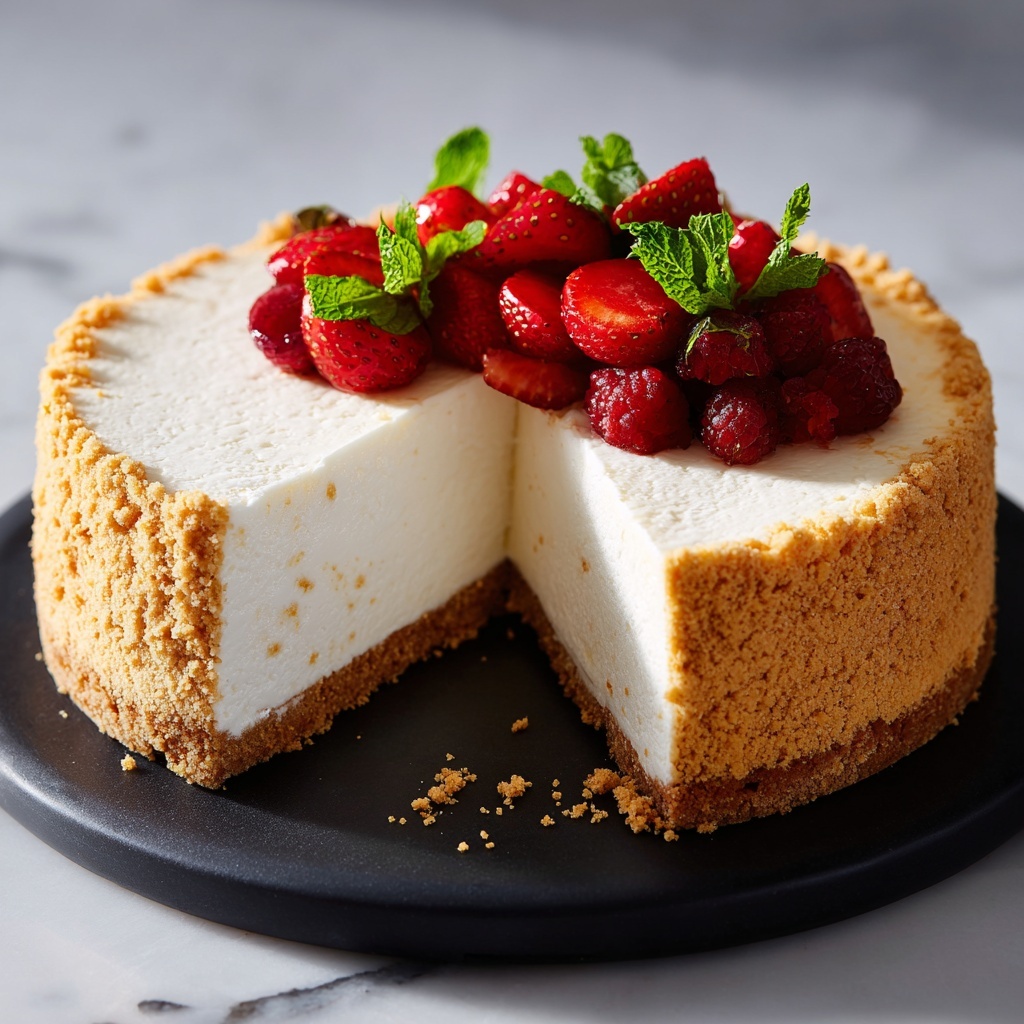
If you have ever dreamed of a dessert that feels as light as a cloud but is rich, creamy, and utterly irresistible, this Japanese Cheesecake Recipe is going to sweep you off your feet. Known for its delicate texture and subtle sweetness, this cheesecake combines the tangy cream cheese with the airy lift of whipped egg whites, resulting in a heavenly fusion that melts in your mouth. It’s an absolute showstopper and a personal favorite to share with friends or savor quietly at home.
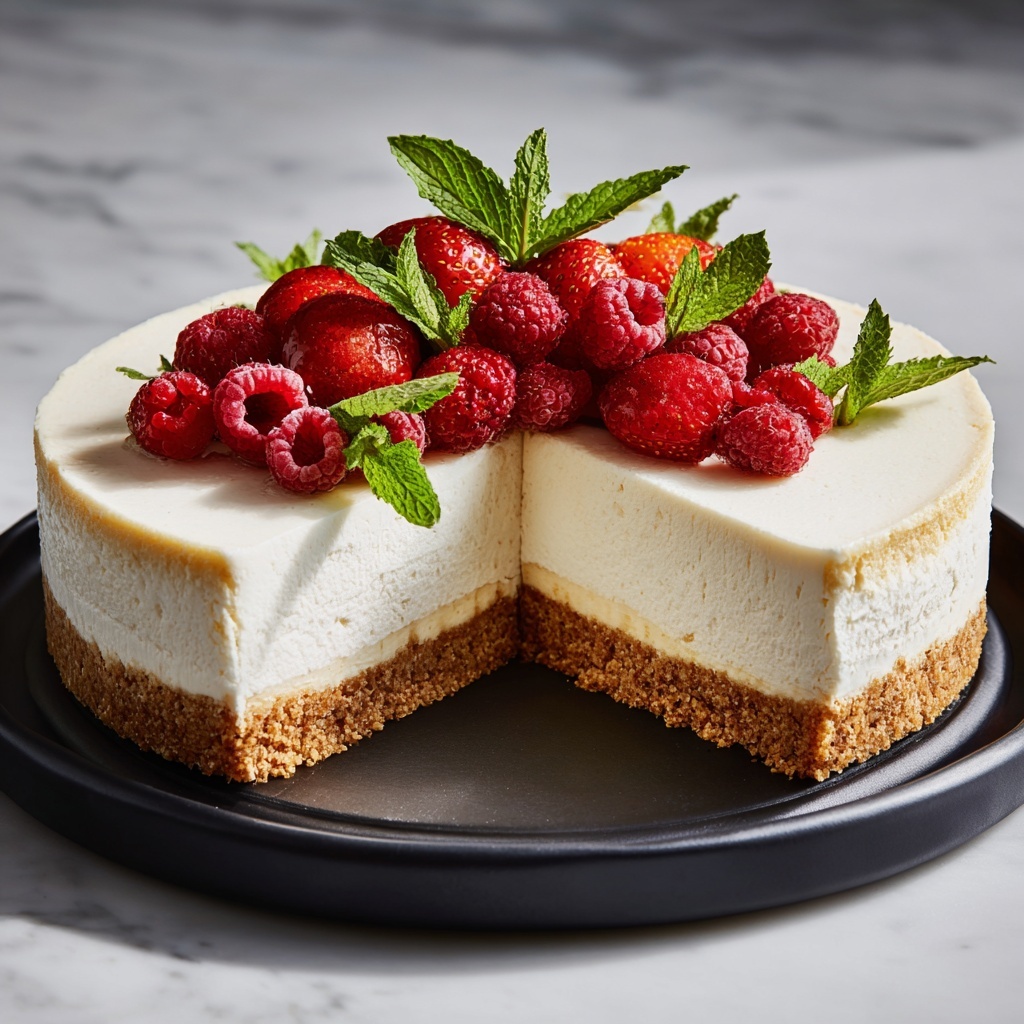
Ingredients You’ll Need
This Japanese Cheesecake Recipe calls for a handful of simple, essential ingredients that together build that signature fluffy texture and delightful flavor. Each component plays its role perfectly, from the cream cheese’s rich creaminess to the lightness contributed by egg whites, and the citrus zest that adds a fresh twang.
- Oil spray: Helps prevent sticking for a smooth release from the pan.
- 6 large eggs, separated: Egg yolks enrich the batter, while whipped whites create the cheesecake’s iconic fluffiness.
- 16 oz cream cheese: Provides the rich and creamy base fundamental to authentic flavor.
- 4 tbsp unsalted butter: Adds smoothness and a mildly sweet buttery note.
- 1 cup sugar, divided: Sweetens the cheesecake delicately, balancing richness with lightness.
- 1 cup heavy cream: Enhances creaminess and gives body to the batter.
- ⅔ cup cake flour (or all-purpose flour): Ensures a tender crumb without weighing down the texture.
- Zest and juice of 1 lemon: Injects a bright citrus aroma and helps cut through the richness.
- 2 tsp vanilla bean paste (or vanilla extract): Brings warm, floral notes that complement the cream cheese.
- ⅛ tsp fine sea salt (or ¼ tsp coarse kosher salt): Balances sweetness and enhances all the other flavors.
- ¼ tsp cream of tartar: Stabilizes the egg whites, helping achieve that perfect lift.
- 2 tbsp apricot jam (for glaze): Adds a glossy, fruity finish that accents the cake’s delicate flavor profile.
- 2 tsp hot water (for glaze): Thins the jam to create a smooth, spreadable glaze.
How to Make Japanese Cheesecake Recipe
Step 1: Prepare Your Pan and Oven
Begin by preheating your oven while preparing a 9-inch springform pan. Spray it lightly with oil to ensure the cheesecake will come out cleanly once baked, and line the bottom or sides with parchment paper if you like extra insurance against sticking.
Step 2: Make the Cream Cheese Mixture
In a large mixing bowl, beat together the cream cheese, unsalted butter, half of the sugar, heavy cream, lemon zest and juice, vanilla bean paste, and sea salt until completely smooth and creamy. This base is where your cheesecake gets its rich, velvety foundation.
Step 3: Incorporate Flour
Sift the cake flour into your cream cheese mixture to keep the batter airy and lump-free. Blend gently until just combined—overmixing here can affect the cake’s soft texture.
Step 4: Whip the Egg Whites
In a separate perfectly clean bowl, whip the egg whites with the cream of tartar until they form soft peaks. Gradually add the remaining sugar while whipping until you get stiff, glossy peaks. This is the secret to that signature cloud-like structure.
Step 5: Fold Egg Whites Into the Batter
Gently fold one-third of the whipped egg whites into the cream cheese batter to lighten it. Then, carefully fold in the remaining whites in batches to maintain as much air as possible. This folding method ensures your cheesecake stays incredibly light.
Step 6: Bake in a Water Bath
Pour the batter into your prepared springform pan. Place this pan inside a larger baking pan filled with hot water—this water bath slows cooking and prevents cracking, keeping the cheesecake moist and tender. Bake at the preheated oven until the cake is set and beautifully golden, roughly 60 to 70 minutes.
Step 7: Add the Apricot Glaze
Once cooled, gently warm the apricot jam with hot water until smooth and brush it over the top of your cheesecake. This sugary glaze adds a shiny, fruity finish and a subtle lift in flavor balance that rounds out the Japanese Cheesecake Recipe perfectly.
How to Serve Japanese Cheesecake Recipe
Garnishes
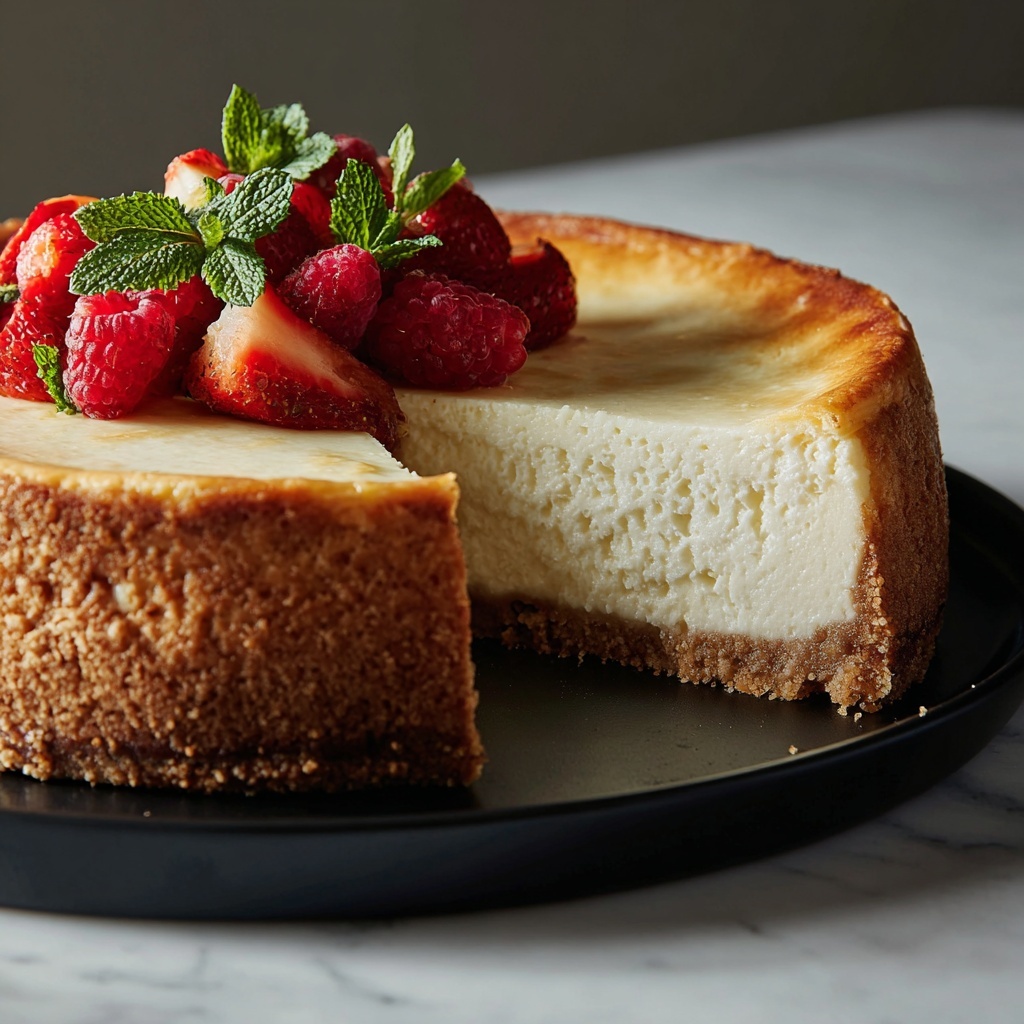
Simple is best when garnishing Japanese cheesecake. Fresh berries like raspberries or blueberries add a pop of color and tartness, while a light dusting of powdered sugar enhances its delicate appearance and adds a gentle sweetness. A mint leaf or two can bring a fresh scent that complements the cake’s light flavor.
Side Dishes
This cheesecake pairs beautifully with a cup of green tea or lightly brewed jasmine tea which help cleanse the palate between bites. For a more decadent experience, serve alongside fresh whipped cream or a scoop of vanilla bean ice cream to add contrasting creaminess and a chilled texture.
Creative Ways to Present
To impress your guests, slice the Japanese Cheesecake Recipe into neat wedges and arrange on delicate china plates. Top each piece with edible flowers for an elegant touch, or serve in small individual glass jars layered with fruit compote or berry coulis. You can also try layering thin slices between crepes for a unique Japanese-inspired dessert creation.
Make Ahead and Storage
Storing Leftovers
Keep any leftover cheesecake covered tightly in the refrigerator. It will stay fresh for up to 3 days, allowing the flavors to meld and deepen, making each bite even more satisfying the next day.
Freezing
If you want to save your Japanese Cheesecake Recipe for later, wrap it securely in plastic wrap and then aluminum foil before freezing. It can be frozen for up to one month without losing texture or flavor. Thaw overnight in the refrigerator before serving.
Reheating
Reheat slices gently by allowing them to return to room temperature before enjoying. Avoid microwaving to preserve the cheesecake’s delicate texture; instead, leave it out for about 30 minutes or enjoy chilled as preferred.
FAQs
What makes this Japanese Cheesecake different from regular cheesecake?
Unlike traditional dense cheesecakes, this Japanese version is much lighter and airier thanks to beaten egg whites folded into the batter, creating a soufflé-like texture that just melts in your mouth.
Can I substitute all-purpose flour for cake flour?
Yes, all-purpose flour works fine if cake flour is unavailable, just expect a slightly denser texture. Sifting the flour before mixing helps maintain lightness.
Why is the water bath necessary?
The water bath gently steams the cheesecake during baking, preventing cracks and ensuring a moist, tender crumb instead of a dry or cracked surface.
How long can I keep the cheesecake refrigerated?
The cheesecake stays fresh in the refrigerator for up to three days. Beyond that, the texture and flavor may begin to decline.
Is there a way to make this recipe vegan?
This particular recipe relies heavily on eggs and dairy for its signature texture and taste, so vegan adaptations would require significant substitutions, but there are plant-based versions inspired by Japanese cheesecakes worth exploring separately.
Final Thoughts
There is something truly magical about the light, fluffy texture combined with creamy, tangy flavor found only in this Japanese Cheesecake Recipe. It’s a dessert that invites you to slow down, savor every bite, and proudly share with those you love. Give it a try—you’ll soon understand why it has captured so many hearts around the world, including mine.
Print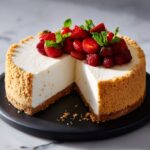
Japanese Cheesecake Recipe
- Prep Time: 30 minutes
- Cook Time: 1 hour 10 minutes
- Total Time: 1 hour 40 minutes
- Yield: 8 servings
- Category: Dessert
- Method: Baking
- Cuisine: Japanese
- Diet: Vegetarian
Description
This Japanese Cheesecake recipe yields a light, fluffy, and creamy cake with a delicate lemon flavor and a sweet apricot glaze. Known for its airy texture, this cheesecake is baked in a water bath to ensure a moist and soft finish. Perfect as a delightful dessert for any occasion, it combines the richness of cream cheese with the subtle tang of lemon and a smooth sweet topping.
Ingredients
For the Cake
- Oil spray, for pan preparation
- 6 large eggs, separated
- 16 oz cream cheese, softened
- 4 tbsp unsalted butter, softened
- 1 cup sugar, divided
- 1 cup heavy cream
- ⅔ cup cake flour (or all-purpose flour)
- Zest and juice of 1 lemon
- 2 tsp vanilla bean paste (or vanilla extract)
- ⅛ tsp fine sea salt (or ¼ tsp coarse kosher salt)
- ¼ tsp cream of tartar
For the Glaze
- 2 tbsp apricot jam
- 2 tsp hot water
Instructions
- Preheat and Prepare Pan: Preheat your oven to 320°F (160°C) and lightly spray a 9-inch springform pan with oil. Optionally, line the pan with parchment paper to ensure easy removal and prevent sticking.
- Mix Cream Cheese Base: In a large bowl, beat together the softened cream cheese, unsalted butter, half of the sugar (½ cup), heavy cream, lemon zest and juice, vanilla bean paste, and salt until the mixture is smooth and creamy without lumps.
- Add Flour: Sift the cake flour into the cream cheese mixture. Gently blend until fully combined, creating a smooth batter.
- Whip Egg Whites: In a separate clean bowl, whip the egg whites along with the cream of tartar until soft peaks form. Gradually add the remaining ½ cup sugar while continuing to whip until stiff, glossy peaks are achieved.
- Fold Egg Whites into Batter: Carefully fold the whipped egg whites into the cream cheese batter in batches. Use a gentle folding motion to maintain the airy texture of the mixture.
- Prepare Water Bath and Bake: Pour the batter into the prepared springform pan. Place this pan inside a larger half-sheet pan, then fill the larger pan with hot water about halfway up the side of the springform pan (creating a water bath). This prevents cracking and ensures even baking. Bake in the preheated oven for 60 to 70 minutes, until the cheesecake is set and has a golden top.
- Make Glaze: While the cake is cooling, warm the apricot jam with hot water in a small bowl until melted and smooth.
- Glaze and Serve: Once the cheesecake is completely cooled, brush the apricot glaze evenly over the top for a shiny, sweet finish. Slice and serve.
Notes
- Use room temperature cream cheese and butter for easier mixing and a smoother batter.
- The water bath is crucial to achieving the cheesecake’s characteristic moist and fluffy texture while preventing cracks.
- If you do not have cake flour, all-purpose flour can be used, but the cake might be slightly denser.
- Let the cheesecake cool completely before applying the apricot glaze to prevent it from melting off.
- Store leftover cheesecake covered in the refrigerator for up to 3 days.