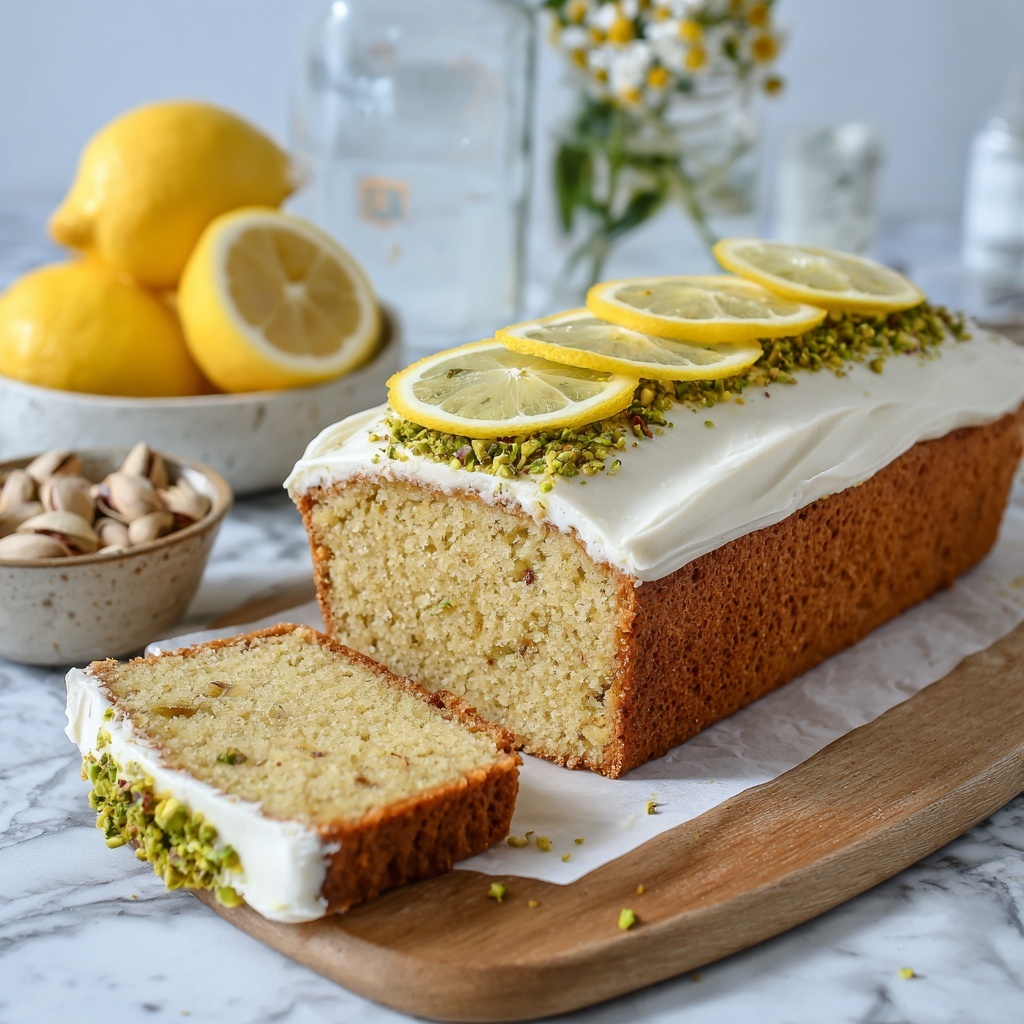
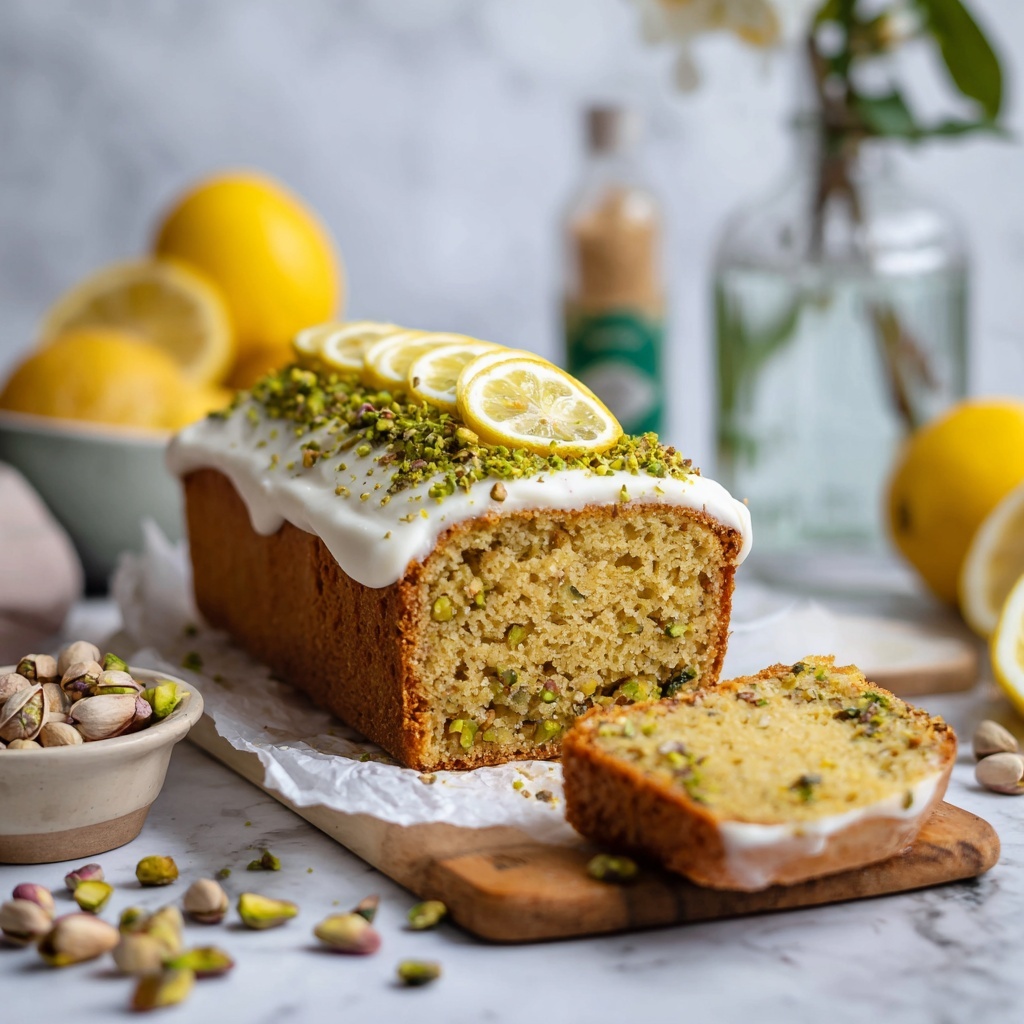
If you’re on the lookout for a cake that’s bursting with bright citrus flavor, nutty crunch, and a moist texture, look no further than this Vegan Pistachio Lemon Olive Oil Cake Recipe. It’s a delightful blend of zesty lemon and rich pistachios, all brought together with the depth of fruity extra virgin olive oil. Perfect for gatherings or simply treating yourself, this cake is not only vegan-friendly but also incredibly satisfying, with each bite offering a wonderful balance of tangy freshness and buttery texture.
Ingredients You’ll Need
This recipe calls for a handful of simple, wholesome ingredients that each play an essential role in making this cake absolutely scrumptious. From the all-purpose flour that gives it structure, to the vibrant lemon olive oil that adds a fragrant richness, every element combines to create a perfect culinary harmony.
- 220 g all-purpose flour: The foundation for a tender crumb that holds everything together beautifully.
- 1 tablespoon baking powder: Gives the cake a lovely rise, ensuring it’s airy and light.
- ½ teaspoon baking soda: Helps achieve the perfect balance between rise and texture.
- ½ teaspoon sea salt: Enhances all the flavors, balancing the sweetness and zest.
- 180 ml soy milk: The vegan alternative adds moisture and works with lemon juice to create vegan buttermilk for tanginess.
- 2 teaspoons freshly squeezed lemon juice: Adds that essential citrus zing making the cake pop with freshness.
- 100 g raw shelled pistachios: Provides gentle crunch and a delightful nutty flavor.
- 200 g granulated sugar: Sweetens the cake just right without overpowering the natural flavors.
- 100 ml lemon extra virgin olive oil: Imparts a beautifully fruity, rich moisture that sets this cake apart.
- 100 g vegan Greek-style yogurt: Brings creaminess and helps keep the cake moist and tender.
- 1 tablespoon vanilla extract: Enhances all flavors with its comforting warmth.
- ½ teaspoon almond extract (optional): Adds a subtle nutty undertone that pairs well with pistachios.
- 60 g vegan cream cheese (room temperature): For a luscious glaze that adds a tangy finish.
- 1 teaspoon lemon extra virgin olive oil: Mixed into the glaze for extra citrus punch and smoothness.
- 120 g powdered sugar: Sweetens and thickens the glaze to the perfect consistency.
- 20 g raw shelled pistachios (roughly chopped, optional): For garnish, adding a gorgeous touch of color and crunch.
How to Make Vegan Pistachio Lemon Olive Oil Cake Recipe
Step 1: Prepare Your Equipment
Start by preheating your oven to fan-forced 160°C or conventional 180°C. Lightly grease a 1-pound loaf pan and line it with parchment paper that hangs over the sides—this sling will make it easy to remove the cake after baking. This step sets the stage for a perfect bake, ensuring even cooking and easy release.
Step 2: Mix the Dry Ingredients
In a medium bowl, sift the all-purpose flour, baking powder, baking soda, and sea salt together. Whisk them to combine well. This step is crucial because it evenly distributes the leavening agents and salt, which makes sure your cake will rise beautifully and have an even flavor.
Step 3: Make Vegan Buttermilk
In a small jug, combine the soy milk with the freshly squeezed lemon juice. Stir gently and let it sit for a few minutes. This mixture curdles slightly, mimicking traditional buttermilk, which adds a wonderful tender texture and a bit of tang to your cake.
Step 4: Blend the Nuts and Sugar
Place the raw pistachios and granulated sugar into a food processor or blender and blitz until finely ground. This not only helps distribute the pistachio flavor evenly throughout the cake but also adds subtle texture and sweetness with every bite.
Step 5: Mix the Wet Ingredients
In a large mixing bowl, whisk together the lemon extra virgin olive oil, vegan Greek-style yogurt, vanilla extract, and almond extract if using. This smooth blend serves as the luxurious liquid base that keeps your cake moist, rich, and fragrant.
Step 6: Combine the Pistachio Sugar Mixture with Wet Ingredients
Add the ground pistachio and sugar mixture into the wet ingredients bowl. Whisk until the batter looks smooth and homogenous. This melding ensures every forkful is nutty and sweet.
Step 7: Incorporate the Vegan Buttermilk
Slowly pour in the soy milk and lemon juice mixture while continuing to whisk. This step brings just the right amount of acidity to react with the baking soda, helping the cake rise perfectly and adding subtle tang.
Step 8: Add Dry Ingredients and Fold Gently
Add the sifted dry ingredients to the wet ingredients in two parts. Use a spatula to fold the flour mixture in gently between additions, stopping as soon as there are no dry streaks. Being careful not to overmix is key to avoiding a tough cake.
Step 9: Assemble the Cake Batter
Pour the batter into your prepared loaf pan and smooth the top with a spatula or knife. For a charming cracked top, dip a butter knife in olive oil and run it down the middle of the batter. This simple trick gives your cake an inviting, rustic look once baked.
Step 10: Bake to Perfection
Bake for 45 to 55 minutes until the cake has risen nicely and the top is golden brown. Test doneness around 45 minutes by inserting a toothpick or knife into the center; it should come out clean or with just a few moist crumbs. If needed, continue baking in 5-minute increments to avoid overcooking.
Step 11: Cool Before Glazing
Let the cake cool in the pan for 10 minutes, then transfer it to a cooling rack until completely cool. This step ensures your glaze won’t melt and will stay perfectly smooth when applied.
Step 12: Make the Luscious Glaze
Whisk the vegan cream cheese with lemon extra virgin olive oil until creamy and smooth. Gradually whisk in the powdered sugar until you reach your desired glaze consistency. Whether slightly runny or thick, this glaze is the perfect tangy, sweet finishing touch.
Step 13: Decorate Your Cake
Drizzle the glaze generously over the cooled loaf. Sprinkle with roughly chopped pistachios, and if you like, add fresh lemon slices and a sprinkle of lemon zest for extra vibrancy and texture. Your Vegan Pistachio Lemon Olive Oil Cake Recipe is now ready to wow!
How to Serve Vegan Pistachio Lemon Olive Oil Cake Recipe
Garnishes
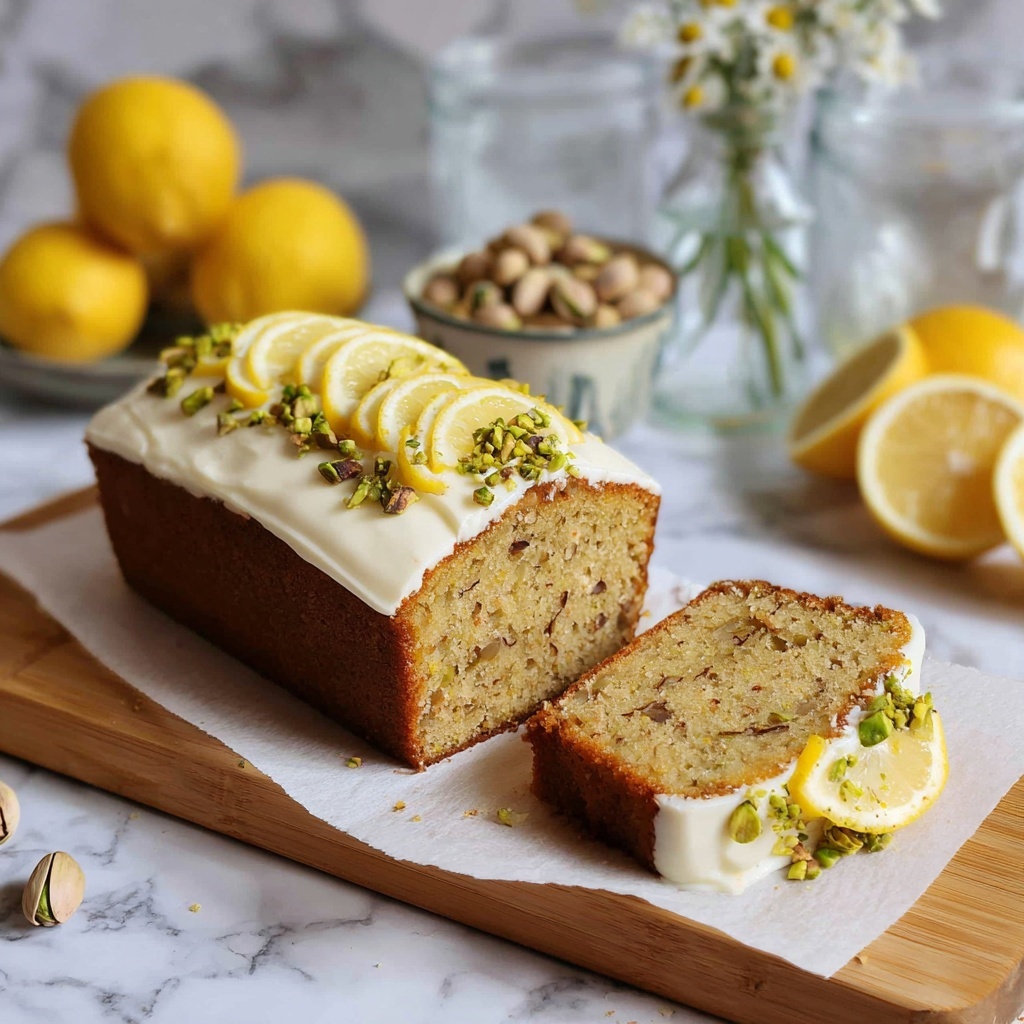
Freshly chopped pistachios bring a lovely crunch and color contrast to the smooth glaze, making the cake visually irresistible. A few thin lemon slices or zest brighten the look and amplify the lemon flavors with every bite.
Side Dishes
Serve slices of this cake alongside a refreshing cup of herbal tea or a chilled glass of sparkling lemonade. For a brunch treat, pair it with fresh berries or a dollop of coconut whipped cream for an extra layer of indulgence.
Creative Ways to Present
Try serving your cake as part of a dessert platter with mixed nuts, citrus fruits, and vegan yogurt dips. Or cut into bite-sized squares and skewer with lemon zest ribbons for elegant party finger food that’s sure to impress.
Make Ahead and Storage
Storing Leftovers
After enjoying your cake, tightly wrap any leftovers in plastic wrap, foil, or store them in an airtight container. Keep the glazed cake at room temperature for up to 2 days or up to 5 days without glaze. Refrigeration extends its freshness to about a week.
Freezing
To freeze, slice the cake and place parchment sheets between layers in a sealed container. The cake freezes wonderfully for up to one month. This is perfect for preparing ahead or saving a treat for later.
Reheating
When you’re ready to enjoy the frozen slices, simply thaw at room temperature for a couple of hours. For a fresh-baked feel, warm gently in a low oven for about 5 to 10 minutes. Avoid microwaving to keep the wonderful texture intact.
FAQs
Can I substitute other nuts for pistachios in this cake?
Yes, you can swap pistachios for almonds or walnuts, but keep in mind that the unique flavor and green color are signature qualities of this cake. Using different nuts will slightly change the taste and texture.
Is this cake gluten-free?
The recipe uses all-purpose flour, which contains gluten. To make it gluten-free, you can experiment by using a gluten-free flour blend, but results may vary. Be sure to check that your baking powder and other ingredients are gluten-free as well.
What if I don’t have vegan cream cheese for the glaze?
You can omit the glaze or substitute it with a simple powdered sugar and lemon juice mix. The glaze adds richness and tang but isn’t necessary for a delicious cake.
How important is the lemon extra virgin olive oil?
The lemon-infused olive oil is a star ingredient that imparts a subtle fruitiness and depth of flavor. If unavailable, mild olive oil plus some extra lemon zest can work as a substitute, but the cake’s character might be less pronounced.
Can I make this cake nut-free?
Because pistachios are central to this recipe, removing them would change the cake’s essence. For a nut-free version, consider swapping pistachios with sunflower seeds or pumpkin seeds ground finely, but note the flavor and texture will differ.
Final Thoughts
This Vegan Pistachio Lemon Olive Oil Cake Recipe is one of those rare bites that feel comforting and special all at once. It’s a shining example of how simple plant-based ingredients can come together to create a cake that’s bursting with flavor, texture, and personality. Whether you’re baking for a special occasion or just celebrating a cozy afternoon, I promise this cake will bring smiles and rave reviews. Go ahead, give it a try—you’re going to adore every luscious slice.
Print
Vegan Pistachio Lemon Olive Oil Cake Recipe
- Prep Time: 15 minutes
- Cook Time: 50 minutes
- Total Time: 1 hour 5 minutes
- Yield: 10 servings
- Category: Dessert
- Method: Baking
- Cuisine: Vegan
- Diet: Vegan
Description
This Vegan Pistachio Lemon Olive Oil Cake is a moist and flavorful loaf cake that combines the nutty richness of pistachios with the bright freshness of lemon and the smoothness of olive oil. It’s completely plant-based, using soy milk and vegan Greek-style yogurt to create a tender crumb, and topped with a luscious vegan cream cheese glaze. Perfect as a delightful snack or a stunning dessert, this loaf cake is easy to make and sure to impress!
Ingredients
Cake Ingredients
- 220 g all-purpose flour
- 1 tablespoon baking powder
- ½ teaspoon baking soda
- ½ teaspoon sea salt
- 180 ml soy milk
- 2 teaspoons freshly squeezed lemon juice
- 100 g raw shelled pistachios (with or without skins)
- 200 g granulated sugar
- 100 ml lemon extra virgin olive oil
- 100 g vegan Greek-style yogurt
- 1 tablespoon vanilla extract
- ½ teaspoon almond extract (optional)
Glaze Ingredients
- 60 g vegan cream cheese (room temperature)
- 1 teaspoon lemon extra virgin olive oil
- 120 g powdered sugar
- 20 g raw shelled pistachios (roughly chopped for garnish, optional)
Instructions
- Prepare: Preheat your oven to fan-forced 160°C/320°F or conventional 180°C/356°F. Lightly grease a 1-pound loaf pan with oil and line it with parchment paper, leaving an overhang for easy removal.
- Mix the dry ingredients: Sift the all-purpose flour, baking powder, baking soda, and sea salt into a medium bowl, then whisk to combine and set aside.
- Make vegan buttermilk: In a jug, combine the soy milk and freshly squeezed lemon juice, stirring well and setting aside to curdle slightly.
- Blend the nuts and sugar: Place the raw shelled pistachios and granulated sugar in a food processor or blender and blitz until finely ground.
- Mix the wet ingredients: In a large mixing bowl, whisk together the lemon extra virgin olive oil, vegan Greek-style yogurt, vanilla extract, and almond extract if using until well combined.
- Add pistachio sugar mixture: Incorporate the ground pistachio and sugar blend into the wet ingredients and whisk until smooth.
- Combine vegan buttermilk: Slowly pour the vegan buttermilk into the wet mixture while whisking continuously until fully combined.
- Combine wet and dry ingredients: Add the dry ingredient mixture to the wet ingredients in two portions. Gently fold the flour mixture into the batter after each addition, taking care not to overmix, until no flour streaks remain.
- Assemble the batter: Pour the batter into the prepared loaf pan and smooth the surface with a spatula or knife. Optionally, dip a butter knife in olive oil and run it through the center of the batter to encourage a crack during baking.
- Bake: Place the loaf pan on a baking sheet or aluminum tray and bake for 45-55 minutes. Test doneness at 45 minutes by inserting a toothpick or knife into the center; it should come out clean or with a few moist crumbs. If needed, continue baking in 5-minute intervals until fully baked.
- Cool: Allow the cake to cool in the pan for 10 minutes, then transfer to a cooling rack to cool completely. Once cool, place on a serving tray or parchment paper.
- Make the glaze: Whisk the vegan cream cheese and lemon extra virgin olive oil until smooth. Gradually add powdered sugar and continue whisking until the glaze reaches your desired consistency.
- Decorate: Drizzle the glaze evenly over the cooled cake. Optionally, garnish with chopped pistachios, lemon slices, and lemon zest for an elegant finish.
- Storage: Wrap leftovers tightly in plastic wrap, foil, or place in a sealed container. Store at room temperature for up to 2 days with glaze or 5 days without. Refrigerate for up to a week. For freezing, slice the cake, separate slices with parchment, and freeze up to one month. Thaw at room temperature before serving.
Notes
- Use a plant-based milk like soy milk; almond or oat milk can also work as alternatives.
- Raw shelled pistachios can be used with or without skins, depending on your preference; skins add a deeper color and slight bitterness which balances the sweet flavor.
- Lemon extra virgin olive oil enhances citrus aroma and adds complexity; substitute with regular olive oil if needed, but flavor will be less bright.
- Vegan Greek-style yogurt adds tang and moisture; if unavailable, use another thick plant-based yogurt.
- Do not overmix the batter to keep the cake moist and tender.
- Ensure the cake is completely cool before glazing to prevent melting.
- The glaze thickness can be adjusted by adding more or less powdered sugar.
- Storing the cake properly preserves freshness and texture; freezing is an excellent option for longer storage.