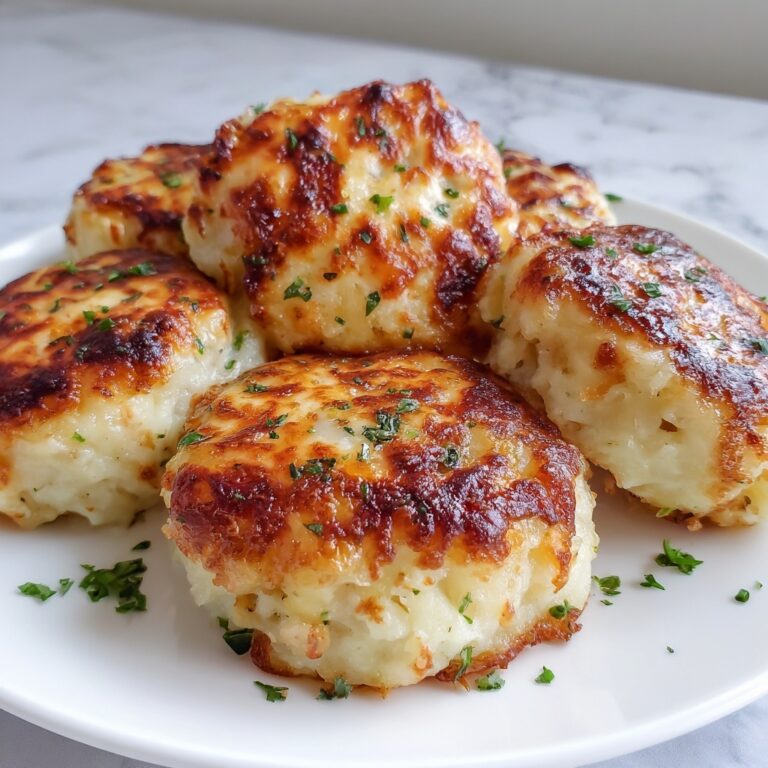

If you have been searching for a delightfully light and airy treat, look no further than this Vegan Ladyfingers (Savoiardi Cookies) Recipe. These classic Italian-style cookies are perfectly crisp on the outside and tender inside, making them ideal for dipping into coffee or layering in desserts like tiramisu. What makes this recipe truly special is that it forgoes eggs and dairy without sacrificing any of that beloved ladyfinger texture or flavor. With just a handful of simple ingredients, you can create these charming cookies to impress friends, indulge your sweet tooth, or add a vegan twist to traditional holiday recipes.

Ingredients You’ll Need
The magic of this Vegan Ladyfingers (Savoiardi Cookies) Recipe lies in its straightforward and essential ingredients. Each one plays a crucial role, whether it’s building structure, adding moisture, or bringing sweetness and flavor to the mix. Having them measured and ready will set you up for a smooth baking experience.
- Aquafaba: This magical chickpea water acts as the egg substitute and whips up into fluffy peaks helping the cookies rise and gain their airy texture.
- Cream of tartar: Stabilizes the aquafaba foam ensuring your cookies hold their shape while baking.
- Granulated sugar: Adds sweetness and helps create that lovely golden crust on the cookies.
- Vegan Greek-style yogurt: Adds richness and moisture for a tender crumb, opt for coconut cream or vegan sour cream for alternatives.
- Olive oil: Provides moisture and a subtle fruity note that complements the vanilla beautifully.
- Vanilla extract: Brings warmth and enhances the cookie’s sweet profile making them irresistible.
- Plain flour: The base of the cookie, providing structure and stability.
- Cornstarch: Keeps the texture light and delicate by softening the flour’s intensity.
- Baking powder: Gives a gentle lift, helping your ladyfingers puff up just right.
- Sea salt: Balances the sweetness and deepens flavor complexity.
- Powdered sugar: Perfect for dusting the tops to give a pretty, classic finish that also adds a hint of extra sweetness.
How to Make Vegan Ladyfingers (Savoiardi Cookies) Recipe
Step 1: Prepare Your Oven and Baking Sheets
Begin by preheating your oven to 180°C fan (356°F) or 200°C conventional (392°F). Line two baking trays with parchment paper and lightly grease them with oil spray to make removing your bakes super easy later. Ensure your mixing bowl is completely clean, dry, and free from any grease to guarantee the aquafaba whips perfectly.
Step 2: Whisk the Aquafaba
Pour the aquafaba and cream of tartar into your large bowl or stand mixer. On high speed, whisk vigorously for about 5 minutes until soft peaks form. This step is critical because aquafaba replaces the eggs and must be whipped well to achieve that light, airy ladyfinger texture.
Step 3: Add Sugar to Aquafaba
Slowly add one-third of a cup (70g) of granulated sugar, a little at a time, while continuing to whisk. Keep whisking for another 3 minutes until you reach stiff peaks, meaning the mixture stands tall and does not collapse. This process ensures your cookies rise beautifully and have that lovely snap.
Step 4: Mix Wet Ingredients Together
In a separate bowl, whisk the remaining quarter cup (45g) sugar with vegan Greek-style yogurt, olive oil, and vanilla extract until smooth and combined. This wet mix adds richness and flavor to the cookies.
Step 5: Fold Aquafaba into Wet Ingredients
Gently fold the whipped aquafaba into the wet ingredient bowl in 3 to 4 increments. Use a spatula and fold carefully to maintain as much air as possible. Over-mixing here can deflate your batter and result in dense cookies.
Step 6: Incorporate Dry Ingredients
Whisk together sifted plain flour, cornstarch, baking powder, and sea salt. Gradually fold these dry ingredients into the wet-aquafaba mixture in 2 to 3 increments. The batter should be light but well combined without any flour pockets.
Step 7: Pipe the Cookies
Transfer your batter into a piping bag fitted with a half-inch round tip, or snip the corner of a disposable piping bag. Pipe ladyfinger shapes about 3.5 inches long and no wider than 1 inch onto your parchment-lined trays. Leave about an inch between each cookie for spreading. Don’t forget to generously dust them with powdered sugar before baking!
Step 8: Alternative Silicone Mold Method
If you have silicone ladyfinger molds, lightly grease and dust them with powdered sugar. Pipe the batter halfway into each cavity and dust again with powdered sugar. Baking with molds may result in slightly softer ladyfingers but is a wonderful option for perfectly uniform cookies.
Step 9: Bake to Perfection
Bake the piped cookies on trays for 12 to 13 minutes until edges begin to brown gently. When using silicone molds, increase the baking time to 14 to 15 minutes to ensure they cook through evenly and maintain shape.
Step 10: Cool Down
Let the cookies cool on the baking tray for 5 minutes before transferring to a cooling rack. If using molds, cool completely before carefully popping them out. Once cool, your vegan ladyfingers are ready for enjoying or incorporating into your favorite dessert recipes.
How to Serve Vegan Ladyfingers (Savoiardi Cookies) Recipe
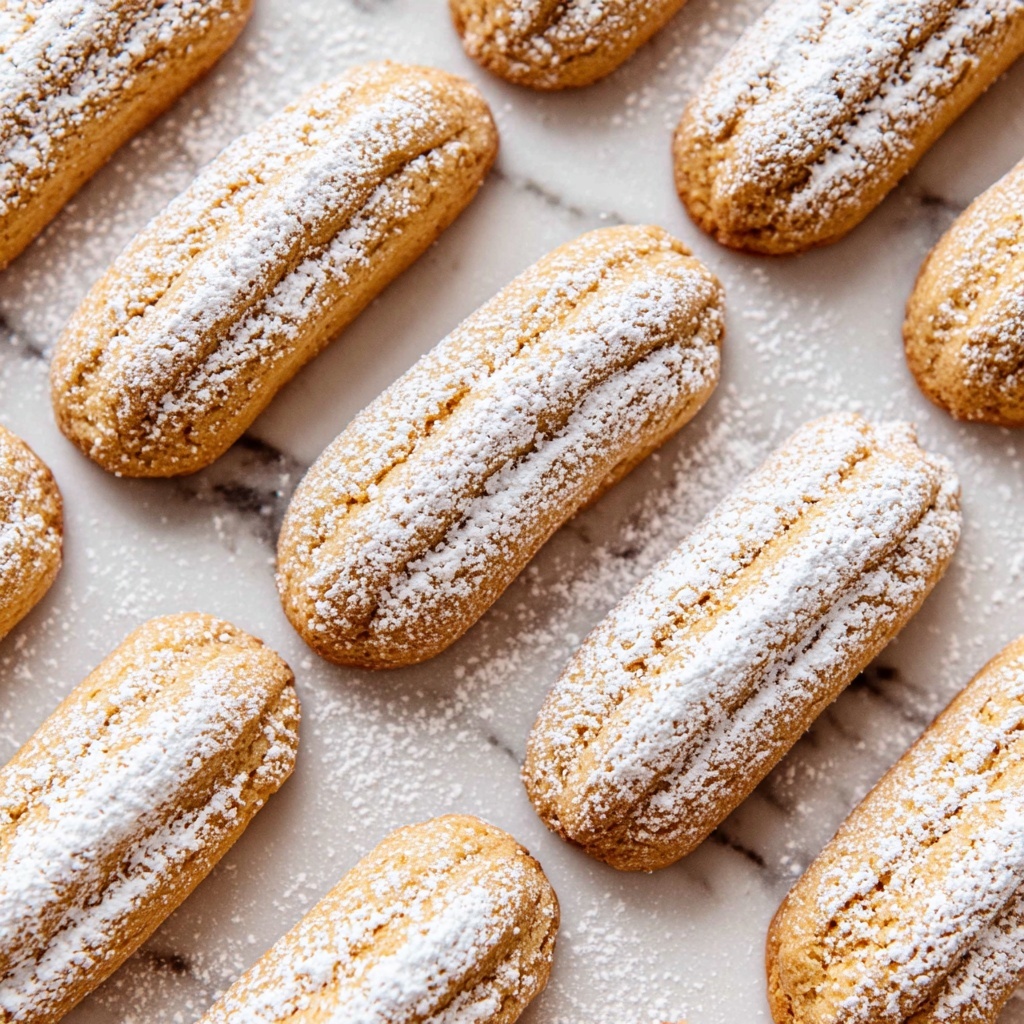
Garnishes
Dust your vegan ladyfingers with extra powdered sugar or a light sprinkle of cinnamon to add a touch of warmth and elegance. For a festive twist, consider a gentle drizzle of vegan dark chocolate or a sprinkle of cocoa powder for a cozy finish.
Side Dishes
These vegan ladyfingers pair beautifully with rich, creamy vegan mascarpone or coconut cream, making them perfect for traditional tiramisus or standalone treats alongside fresh berries, vegan ice cream, or a fresh fruit salad.
Creative Ways to Present
Think beyond traditional serving: layer your vegan ladyfingers in parfait glasses with fruit compote and vegan whipped cream for an elegant dessert, or sandwich them with vegan chocolate spread for a decadent snack. Their light texture also means they can add the perfect crunch to vegan trifle recipes or dessert platters.
Make Ahead and Storage
Storing Leftovers
Store your vegan ladyfingers in an airtight container at room temperature for up to 5 days. They maintain their crispness best when fresh but may soften slightly after a couple of days, which can be delightful if you enjoy a tender bite.
Freezing
For longer storage, freeze ladyfingers in a sealed container or zip-lock bag for up to one month. Freeze them in a single layer separated by parchment paper to prevent sticking. This is a great way to have them ready for future baking projects or quick desserts.
Reheating
If your ladyfingers soften and you want to crisp them up again, briefly warm them in a preheated oven at 150°C (300°F) for about 5 minutes. Be cautious not to overheat, as they can dry out quickly. This refreshes their signature crispness beautifully.
FAQs
Is aquafaba difficult to whip compared to eggs?
With the right tools and a clean bowl, aquafaba whips up surprisingly well into fluffy peaks. Patience and stable conditions—such as adding cream of tartar—will help ensure a strong foam that mimics beaten egg whites.
Can I make vegan ladyfingers without a piping bag?
Yes! You can use a resealable plastic bag with a snipped corner or even spoon batter onto the tray and shape gently with your fingers, though piping gives the signature uniform shape traditional to ladyfingers.
What can I substitute for vegan Greek-style yogurt?
If you don’t have vegan Greek-style yogurt, coconut cream or vegan sour cream work wonderfully as alternatives, providing moisture and richness to the batter without affecting flavor.
Are these ladyfingers suitable for gluten-free diets?
This recipe uses plain flour and cornstarch, so it is not gluten-free as written. However, you can experiment with gluten-free all-purpose flour blends, keeping in mind that texture may vary slightly.
Can I use these vegan ladyfingers in traditional tiramisu recipes?
Absolutely! These cookies were made with tiramisu in mind and work wonderfully as a dairy-free, egg-free base that soaks up coffee and liqueur while maintaining their shape and texture perfectly.
Final Thoughts
I truly encourage you to try this Vegan Ladyfingers (Savoiardi Cookies) Recipe because it brings a light, airy, and delicious element to so many vegan desserts. Whether for a special occasion or a cozy evening treat, these cookies are easy to make and endlessly versatile. Once you taste how beautifully they turn out without any animal products, they may just become a new staple in your baking repertoire!
Print
Vegan Ladyfingers (Savoiardi Cookies) Recipe
- Prep Time: 15 minutes
- Cook Time: 13 minutes
- Total Time: 33 minutes
- Yield: 32 cookies
- Category: Dessert
- Method: Baking
- Cuisine: Vegan
- Diet: Vegan
Description
Delightfully light and crispy Vegan Ladyfingers, perfect as a dairy-free and egg-free alternative to traditional savoiardi cookies. Made with aquafaba to mimic egg whites, these cookies are subtly sweet with a crisp exterior and soft interior, ideal for desserts like tiramisu or for enjoying with tea or coffee.
Ingredients
Wet Ingredients
- 120 g aquafaba (liquid from canned chickpeas)
- ½ teaspoon cream of tartar (or lemon juice or vinegar)
- 45 g vegan Greek-style yogurt (or coconut cream/vegan sour cream)
- 40 ml olive oil (or sunflower oil)
- 2 teaspoons vanilla extract
Sweeteners
- 115 g granulated or caster sugar (superfine sugar), divided into ⅓ cup (70 g) + ¼ cup (45 g)
- 50 g powdered sugar (icing sugar), for dusting
Dry Ingredients
- 200 g plain flour (sifted)
- 30 g cornstarch (sifted)
- 2 teaspoons baking powder (sifted)
- ¼ teaspoon sea salt
Instructions
- Preparation: Preheat your oven to fan 180°C/356°F (or conventional 200°C/392°F). Line two baking sheets with parchment paper and lightly grease with oil spray for easy cookie removal. Ensure your mixing bowl is clean, dry, and free of grease.
- Whisk Aquafaba: Add aquafaba and cream of tartar to the bowl or stand mixer. Whisk on high speed for 5 minutes until soft peaks form, providing the structure needed without eggs.
- Add Sugar to Aquafaba: Slowly add ⅓ cup (70 g) granulated sugar one dash at a time while whisking continuously. Continue whisking for another 3 minutes until stiff peaks form, creating a meringue-like texture.
- Combine Wet Ingredients: In a separate bowl, whisk together the remaining ¼ cup (45 g) sugar, vegan yogurt, olive oil, and vanilla extract until smooth and well combined.
- Fold Aquafaba into Wet Mixture: Carefully fold the whipped aquafaba into the wet ingredient mixture in 3-4 increments using a spatula to keep the batter light without overmixing.
- Incorporate Dry Ingredients: Mix together the sifted flour, cornstarch, baking powder, and salt. Gently fold this dry mixture into the wet batter in 2-3 increments until just combined without overmixing.
- Pipe the Cookies: Transfer batter to a piping bag fitted with a ½-inch round tip. Pipe 3.5-inch long and about 1-inch wide strips onto the prepared baking sheets, leaving about 1 inch space between cookies for spreading. Dust liberally with powdered sugar before baking.
- Optional Silicone Mold: Lightly grease silicone ladyfinger molds with vegetable oil or vegan butter and dust with powdered sugar. Pipe batter into molds halfway and dust with more powdered sugar prior to baking.
- Bake: Bake trays for 12-13 minutes or until edges start browning. If using silicone molds, bake for 14-15 minutes until set through.
- Cool the Cookies: Let cookies cool on the baking sheet for about 5 minutes, then transfer to a wire rack to cool completely. For silicone molds, allow cookies to cool fully before removing. Clean and dry molds and repeat with remaining batter.
- Storage: Store at room temperature in an airtight container for up to 5 days to maintain crispness. After a couple of days, cookies may soften slightly. Freeze in sealed containers for up to one month, ideal for make-ahead dessert projects.
Notes
- A silicone ladyfinger mold is optional; cookies can be piped by hand but may be softer when baked in silicone.
- Measuring ingredients by grams ensures the best accuracy and results.
- Aquafaba is the liquid from canned chickpeas and acts as an egg white substitute.
- Use superfine sugar for better incorporation and smoother texture.
- Do not overmix batter after folding to maintain light and airy texture.
- Cookies spread slightly during baking; pipe with enough spacing.
- For optimal crispness, avoid humid storage conditions.