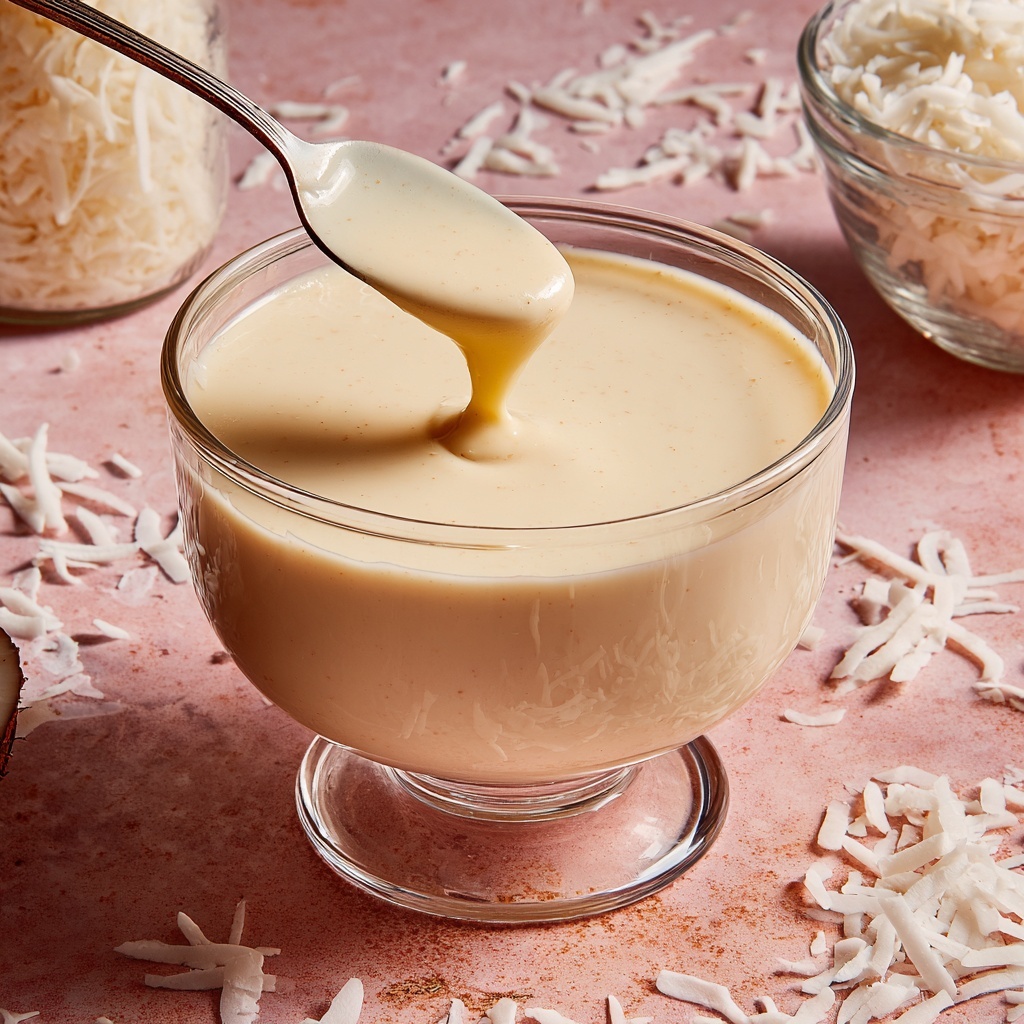
If you’ve ever wondered how to bring tropical richness straight into your kitchen, learning How to Make Coconut Butter (Coconut Manna) Recipe is an absolute game-changer. This luscious, creamy spread is pure coconut magic, made from nothing but dried coconut flakes transformed into a silky, indulgent butter. It’s naturally sweet, delightfully versatile, and utterly addictive—perfect for adding a tropical twist to your everyday dishes or simply enjoying on a warm slice of toast. Trust me, once you make your own coconut butter, store-bought versions will feel like ancient history.
Ingredients You’ll Need
When it comes to making coconut butter, simplicity reigns supreme because the magic lies in just one key ingredient: coconut flakes. Choosing high-quality, unsweetened dried coconut flakes is essential—they bring the perfect texture, natural sweetness, and that unmistakable tropical flavor that defines coconut manna.
- 300 g unsweetened dried coconut flakes: Opt for finely shredded flakes to help the food processor break them down more efficiently and create a smoother butter.
How to Make How to Make Coconut Butter (Coconut Manna) Recipe
Step 1: Prep Your Food Processor
Start by adding about 200g, or two-thirds, of your dried coconut flakes into the food processor. This initial batch allows the blades plenty of room to work their magic without overcrowding. Blitz for about one minute until the coconut breaks down into a shredded, crumbly texture. If your food processor is smaller than 3 liters, working in batches like this is key to getting the best results.
Step 2: Add Remaining Coconut Flakes and Blend
Next, toss in the remaining coconut flakes and keep blending. After a few minutes, the coconut will begin to resemble coarse sand. At this stage, pause and scrape down the sides of the bowl using a spatula to ensure even processing. This little step helps prevent any dry bits from clinging to the sides, setting you up for a perfectly smooth result.
Step 3: Blend Until Creamy
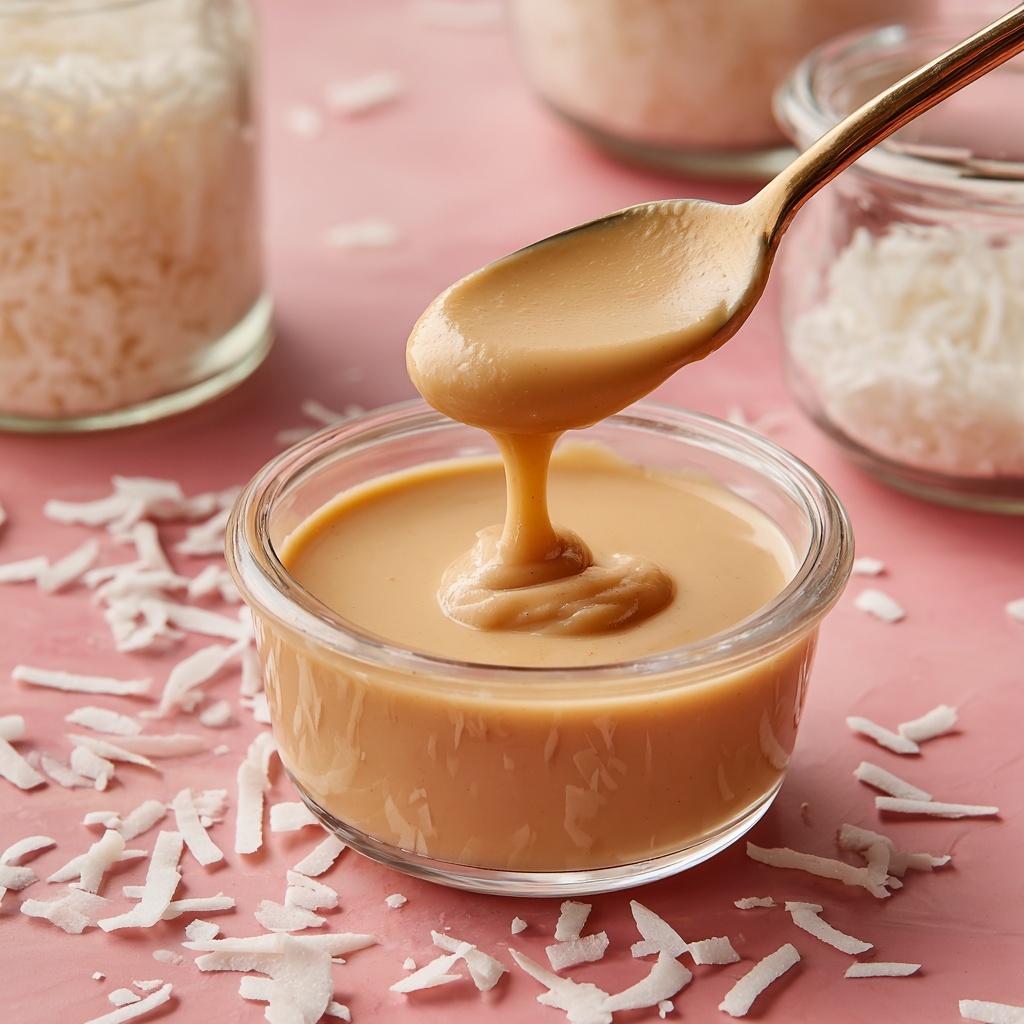
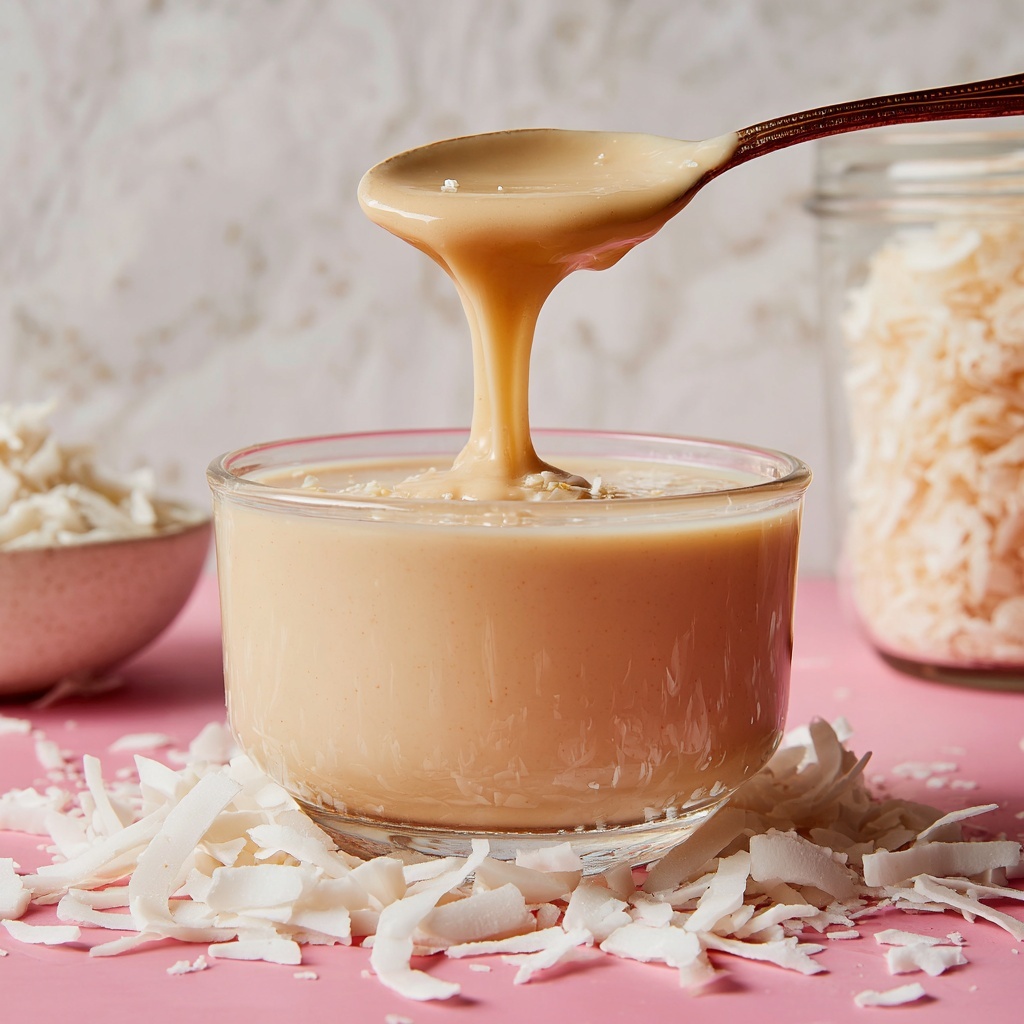
Keep the food processor running, occasionally stopping to scrape down the sides. Slowly, the texture will shift from sandy and crumbly to soft, creamy, and buttery. This process takes about 10 minutes but is so worth the patience. As the coconut releases its natural oils, it transforms right before your eyes into dreamy coconut manna.
Step 4: Transfer and Store
Once your coconut butter is gloriously creamy, transfer it to an airtight jar. You can keep it at room temperature in a dark cupboard for up to two weeks or store it in the refrigerator for a couple of months. Depending on your climate, it may solidify when chilled but warming it gently will return it to a runny, spreadable state.
How to Serve How to Make Coconut Butter (Coconut Manna) Recipe
Garnishes
Coconut butter is wonderful served on its own, but adding garnishes like a sprinkle of toasted coconut flakes or a dash of cinnamon elevates its natural flavor. For a hint of indulgence, try swirling a little honey or maple syrup on top before serving.
Side Dishes
This coconut manna pairs beautifully with fresh fruit like mangoes and pineapple for a tropical flair. You can also dollop it on oatmeal or drizzle over pancakes to add creamy, luscious texture and subtle sweetness.
Creative Ways to Present
Try mixing coconut butter into smoothies for added richness, or use it as a base for homemade energy balls and bars. It’s also an amazing substitute for nut butter in baking, offering a unique flavor and a velvety smoothness that impresses every time.
Make Ahead and Storage
Storing Leftovers
Keep your leftover coconut butter in a sealed airtight container at room temperature away from direct sunlight. It will remain fresh for up to two weeks and maintain a creamy texture that’s perfect for spreading or cooking.
Freezing
If you want to store it for longer, freezing is a handy option. Simply place your jar or container in the freezer where it can be kept for several months. When needed, thaw it gently at room temperature or in the fridge.
Reheating
To bring coconut butter back to its creamy glory after refrigeration or freezing, warm it slowly over a double boiler or microwave in short bursts on low heat. Stir gently until smooth and ready to be enjoyed once again.
FAQs
Can I use sweetened coconut flakes for this recipe?
While you can use sweetened flakes, unsweetened dried coconut is recommended to ensure the purest flavor and maintain full control over the sweetness of your coconut butter.
How long does homemade coconut butter last?
Stored properly in an airtight container, homemade coconut butter lasts about two weeks at room temperature and up to a couple of months refrigerated.
Why does coconut butter harden in the fridge?
Coconut butter solidifies because coconut oil hardens at cooler temperatures. This is perfectly normal and can be reversed by gently warming it.
Can I make coconut butter without a food processor?
It’s best to use a food processor for this recipe, as it provides the power and consistency needed to break down the coconut flakes into butter.
Is coconut butter the same as coconut oil?
Coconut butter includes the coconut flesh itself, making it creamier with more fiber, while coconut oil is pure fat extracted from the flesh, usually without the fiber.
Final Thoughts
There’s a genuine joy in creating your own coconut butter from scratch, both from the simple ingredients and the satisfaction of that first delicious taste. This recipe will quickly become a cherished staple in your kitchen arsenal, unlocking a world of tropical flavor and creamy goodness. I can’t wait for you to give this How to Make Coconut Butter (Coconut Manna) Recipe a try and discover just how magical homemade coconut butter truly is!
Print
How to Make Coconut Butter (Coconut Manna) Recipe
- Prep Time: 2 minutes
- Cook Time: 10 minutes
- Total Time: 12 minutes
- Yield: 18 servings (approx. 1 tablespoon per serving)
- Category: Sauce/Spread
- Method: Blending
- Cuisine: International
- Diet: Vegan
Description
Learn how to make smooth and creamy coconut butter, also known as coconut manna, using unsweetened dried coconut flakes and a food processor. This simple recipe transforms shredded coconut into a luscious spread that’s perfect for smoothies, toast, or baking. The process involves slowly blending the coconut flakes until natural oils are released, resulting in a rich and flavorful butter that can be stored at room temperature or refrigerated.
Ingredients
Ingredients
- 300 g unsweetened dried coconut flakes
Instructions
- Initial blending: Add 200 g (⅔) of the coconut flakes to your food processor and blitz for about 1 minute until the flakes have ground down to a shredded consistency. This step helps break down the large flakes and makes room in smaller food processors.
- Add remaining flakes: Add the remaining coconut flakes to the processor and continue to blend. After a couple of minutes, the coconut will start resembling a sand-like consistency. Be sure to scrape down the sides of the bowl with a spatula to ensure even processing.
- Blend to creamy butter: Keep blending the coconut until it transforms into a creamy, smooth butter and all flakes have been broken down. Turn off the food processor occasionally to scrape the sides. This process will take approximately 10 minutes in total.
- Storage: Transfer the finished coconut butter to a sealed airtight jar. Store at room temperature in a dark cupboard for up to 2 weeks or refrigerate for a couple of months. In cooler environments, the coconut butter will solidify; warm it gently over a double boiler or on low power in the microwave to regain a runny consistency.
Notes
- If you have a food processor with a large capacity (3 liters or more), you can add all coconut flakes at once for easier blending.
- Scraping down the sides frequently ensures even blending and prevents the motor from overheating.
- The texture of coconut butter will vary with climate and storage temperature—solid at cool temps and more fluid when warm.
- Use coconut butter as a spread, smoothie addition, or in baking recipes as a dairy-free alternative.