Description
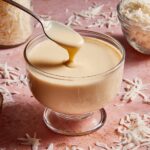
Learn how to make smooth and creamy coconut butter, also known as coconut manna, using unsweetened dried coconut flakes and a food processor. This simple recipe transforms shredded coconut into a luscious spread that’s perfect for smoothies, toast, or baking. The process involves slowly blending the coconut flakes until natural oils are released, resulting in a rich and flavorful butter that can be stored at room temperature or refrigerated.
Ingredients
Scale
Ingredients
- 300 g unsweetened dried coconut flakes
Instructions
- Initial blending: Add 200 g (⅔) of the coconut flakes to your food processor and blitz for about 1 minute until the flakes have ground down to a shredded consistency. This step helps break down the large flakes and makes room in smaller food processors.
- Add remaining flakes: Add the remaining coconut flakes to the processor and continue to blend. After a couple of minutes, the coconut will start resembling a sand-like consistency. Be sure to scrape down the sides of the bowl with a spatula to ensure even processing.
- Blend to creamy butter: Keep blending the coconut until it transforms into a creamy, smooth butter and all flakes have been broken down. Turn off the food processor occasionally to scrape the sides. This process will take approximately 10 minutes in total.
- Storage: Transfer the finished coconut butter to a sealed airtight jar. Store at room temperature in a dark cupboard for up to 2 weeks or refrigerate for a couple of months. In cooler environments, the coconut butter will solidify; warm it gently over a double boiler or on low power in the microwave to regain a runny consistency.
Notes
- If you have a food processor with a large capacity (3 liters or more), you can add all coconut flakes at once for easier blending.
- Scraping down the sides frequently ensures even blending and prevents the motor from overheating.
- The texture of coconut butter will vary with climate and storage temperature—solid at cool temps and more fluid when warm.
- Use coconut butter as a spread, smoothie addition, or in baking recipes as a dairy-free alternative.