Description
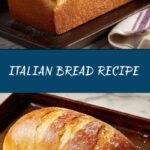
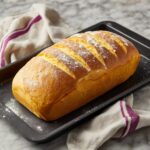
This classic Italian Bread recipe yields a crusty golden loaf with a soft, airy crumb, perfect for sandwiches or accompanying your favorite Italian dishes. Utilizing simple ingredients like all-purpose flour, yeast, and olive oil, this bread is kneaded, allowed to rise twice, and baked to perfection for a delicious homemade staple.
Ingredients
Scale
Dry Ingredients
- 3 1/2 cups all-purpose flour
- 1 tablespoon sugar
- 2 teaspoons salt
- 1 tablespoon active dry yeast
- 1 tablespoon cornmeal (for dusting)
Wet Ingredients
- 1 1/2 cups warm water (110°F/45°C)
- 1 tablespoon olive oil
Instructions
- Activate Yeast: In a small bowl, dissolve the sugar and yeast in warm water. Let the mixture sit for 5 to 10 minutes until it becomes foamy, indicating the yeast is active.
- Mix Dry Ingredients: In a large bowl, combine the all-purpose flour and salt evenly.
- Combine Ingredients: Add the foamy yeast mixture and olive oil to the dry ingredients. Stir until a dough starts to form.
- Knead Dough: Turn the dough onto a floured surface and knead vigorously for 8 to 10 minutes until it becomes smooth and elastic.
- First Rise: Place the kneaded dough into a greased bowl. Cover it with a damp cloth and allow it to rise in a warm place for 1 to 2 hours, or until doubled in size.
- Preheat Oven: While the dough rises, preheat your oven to 375°F (190°C).
- Shape Dough: Punch down the risen dough to release air. Shape it into a loaf and place it on a baking sheet lightly dusted with cornmeal to prevent sticking.
- Second Rise: Let the shaped loaf rise for another 30 minutes until slightly puffed.
- Slash and Bake: Using a sharp knife, slash the top of the loaf to allow steam to escape while baking. Bake for 25 to 30 minutes, or until the crust is golden brown and the loaf sounds hollow when tapped.
- Cool: Remove the bread from the oven and cool it on a wire rack before slicing to preserve the texture.
Notes
- Ensure the water is warm (around 110°F/45°C) but not hot to properly activate the yeast without killing it.
- Kneading is essential for developing gluten, which gives the bread its chewy texture.
- The double rise allows the dough to develop flavor and proper crumb structure.
- Using cornmeal on the baking sheet prevents sticking and adds a subtle texture to the bread’s bottom crust.
- Slashing the loaf helps control where the bread expands during baking, improving its shape.
- Allow bread to cool completely before slicing to avoid a gummy texture.